Sending Joy: Why Rhyme and Rhythm Matter

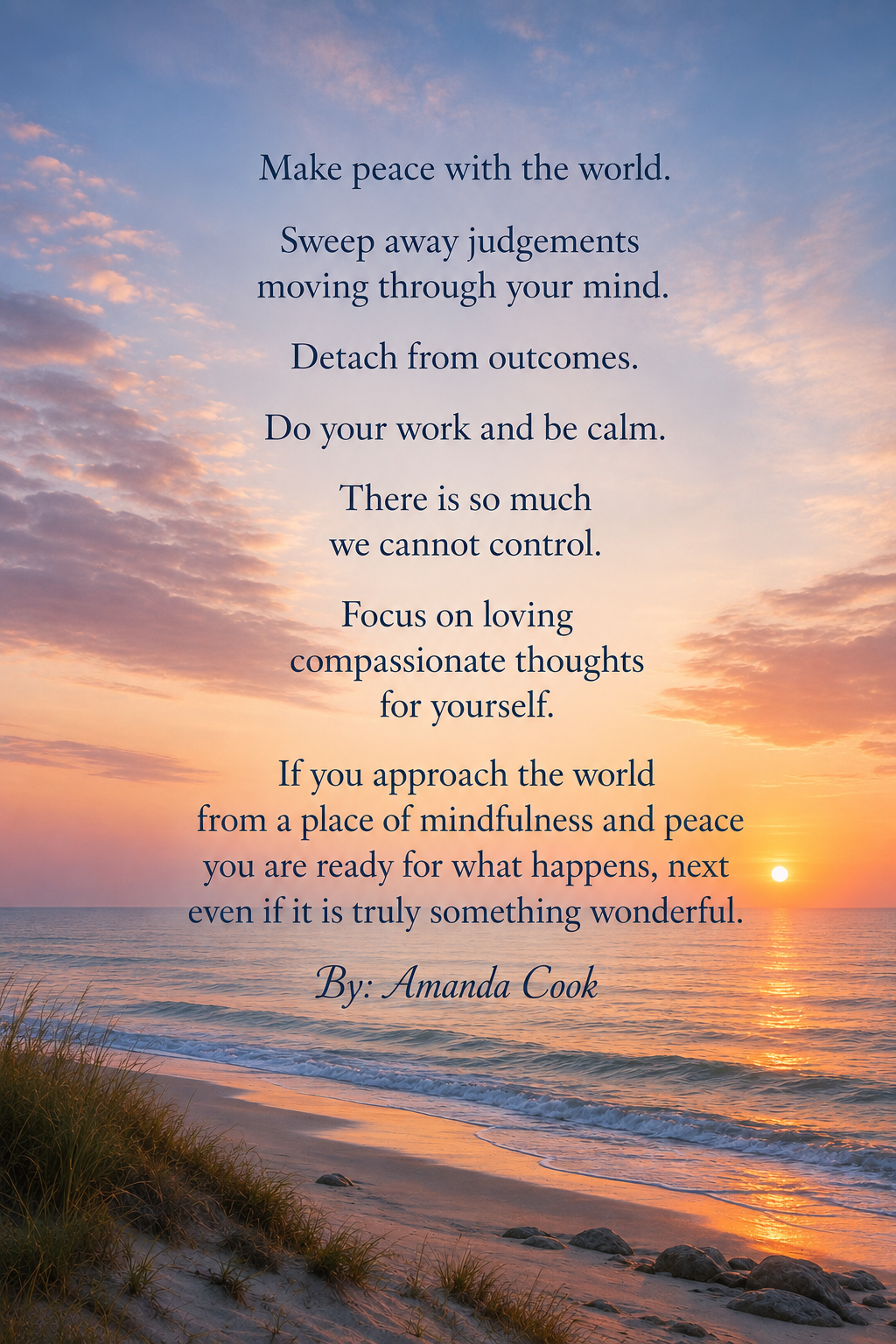
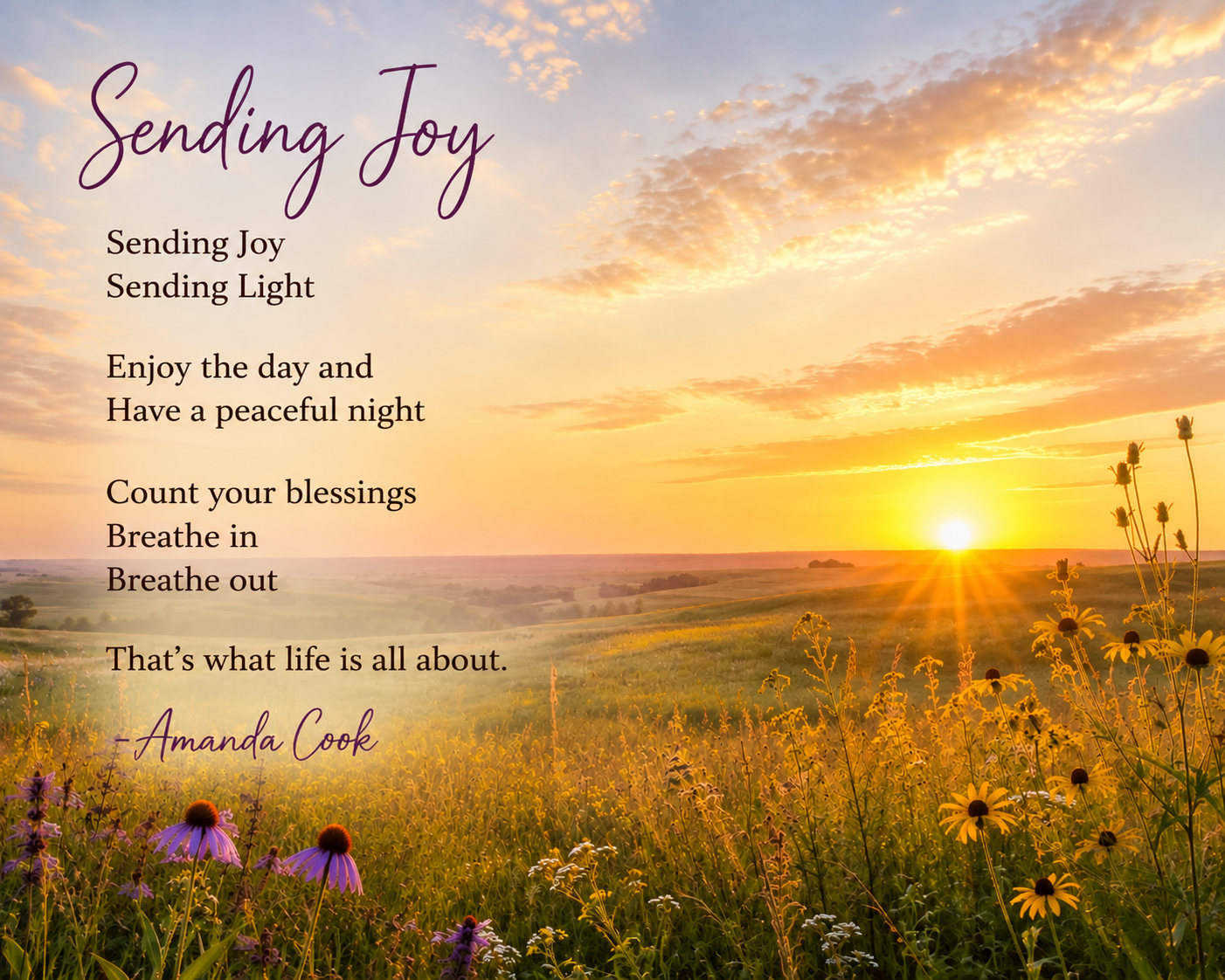
text of the poem written out below as well as a sunrise over grasslands.

I wrote this little poem at an art festival. Someone was there inviting people to write a few kind words in a card that would later be given to someone who needed a little encouragement.

I loved the idea.

I also love light verse and the way rhythm and rhyme can make simple words memorable.

Sending Joy

Sending Joy
Sending Light

Enjoy the day and
Have a peaceful night

Count your blessings
Breathe in
Breathe out

That’s what life is all about.

— Amanda Cook

There is a reason rhymes stay with us. Think about a catchy jingle you haven’t heard in years and suddenly find yourself singing. Rhythm and rhyme help words settle into our memories.

For young children, they can also support important early literacy skills. Rhyming helps children begin to hear how words are made up of sounds and recognize similarities between words. Rhythm can help them hear syllables and patterns in language. When children clap along with a poem, repeat a rhyme, or predict what word might come next, they aren’t simply having fun with language. They are developing the ability to listen closely to it.

And I think there is another opportunity here.

What if some of the words we help children remember are words that encourage kindness, gratitude, calm, and hope?

A short positive poem that children say aloud, clap to, illustrate, or see regularly can become familiar. Its language can become something they carry with them. “Count your blessings. Breathe in. Breathe out.” Those are simple words, but repeated over time, they can also offer a small reminder of how to approach a difficult or busy moment.

That’s one of the things I love about combining literacy and social-emotional learning through the arts. A poem doesn’t have to be complicated to have value. Sometimes a few rhyming lines can give a child—or an adult—a little inspiration, a sweet memory, and a small space to pause.

And sometimes that’s enough to send a little joy into the world.
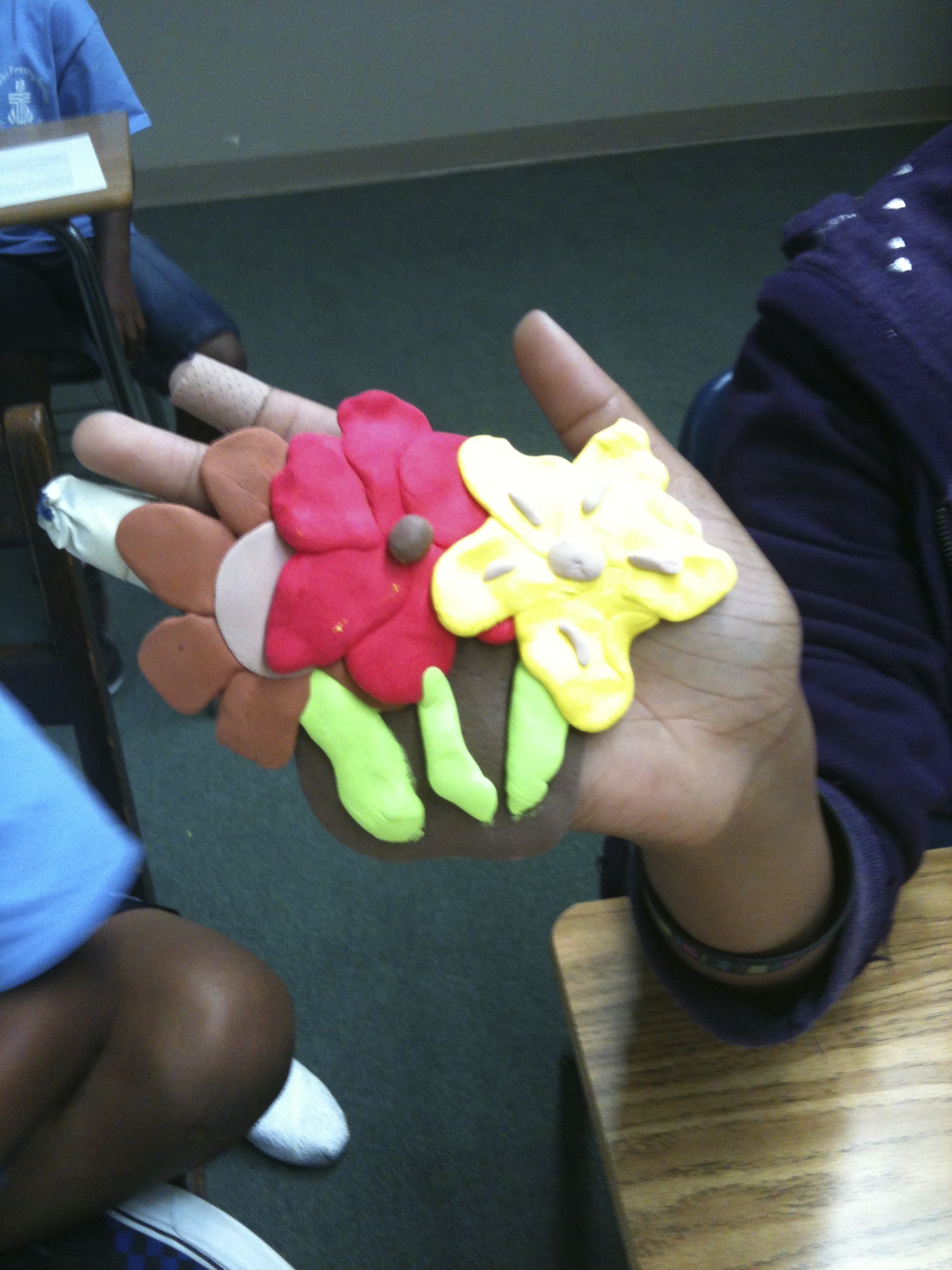
Cultivating Diversity with Different, Beautiful Flowers

Sculpture in a child's hand of three flowers with different colors.

One of my favorite activities from the Respect Program focuses on cultivating diversity.

When we talk about diversity, the goal isn’t simply to celebrate our differences. It’s also about learning how to live and work together. Cultivating diversity means actively listening to other people, learning about their backgrounds and experiences, and looking for the common ground that connects us.

For this activity, I give children Model Magic in primary colors, which they can mix to create new colors. I also give them Model Magic in a variety of skin tones. Then I give them a wonderfully open-ended assignment: Create a sculpture that shows what diversity means to you.

I love seeing what they create.

Over the years, children have made people, scenes, abstract designs, and all kinds of imaginative creations. Because there isn’t one “right” way to represent diversity, the activity gives children the freedom to think about the idea for themselves.

One creation has always stayed with me.

A girl in one of my classes sculpted the three flowers pictured above. When I asked her about her sculpture, she explained that this was what diversity meant to her: different, beautiful flowers.

I like that.

A garden wouldn’t be nearly as interesting if every flower looked exactly the same. And perhaps cultivating diversity is a little like tending a garden. We make room for differences. We pay attention. We listen and learn. We help create the conditions in which different people can grow alongside one another.

Sometimes children find beautifully simple ways to express ideas that adults can make very complicated.

Different, beautiful flowers.

The Red Wheelbarrow: The Beauty of Small Things

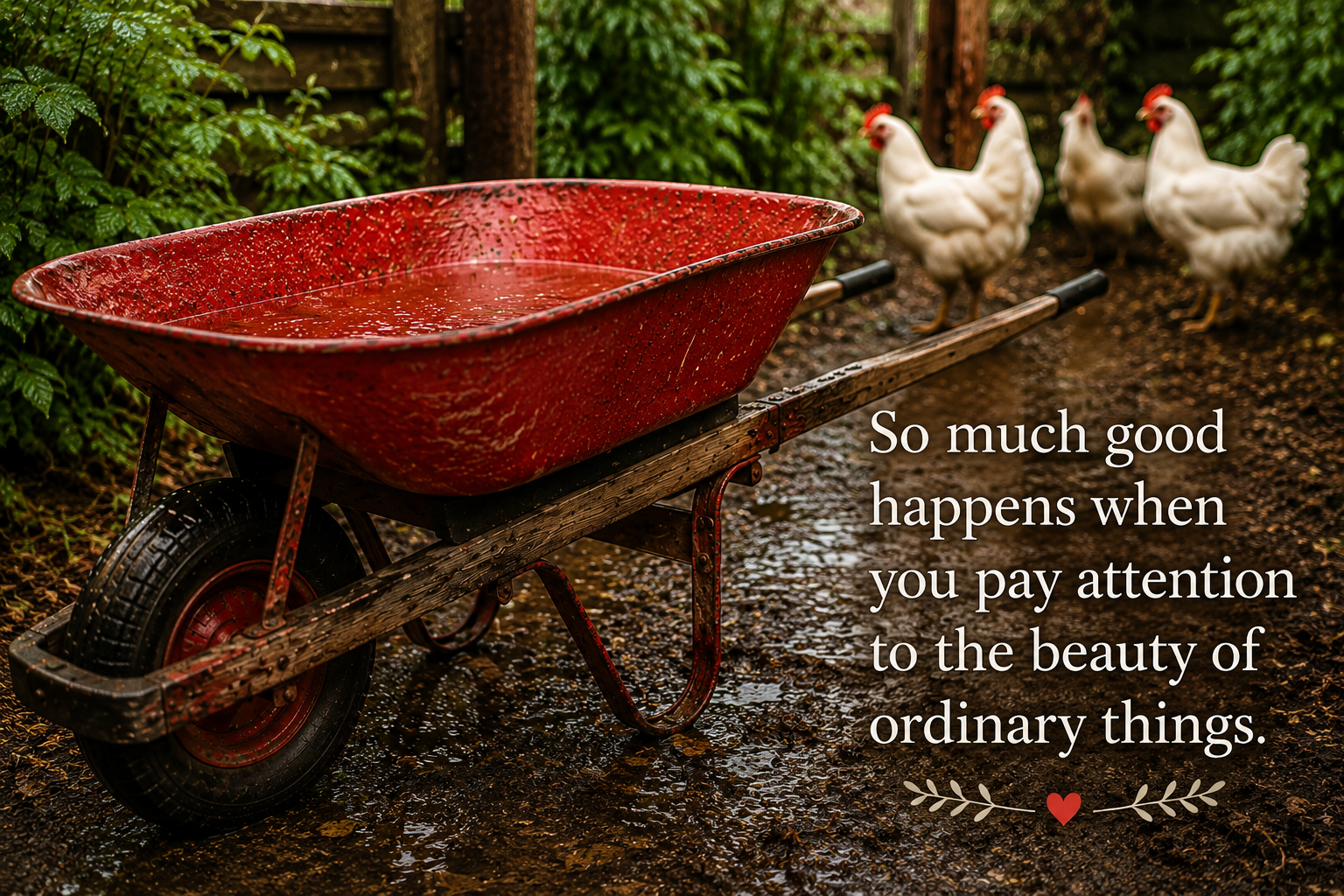
A red wheelbarrow with the statement "so much good happens when you pay attention to the beauty of ordinary things.

William Carlos Williams was a wonderful 20th-century American poet who had a true gift for writing poems that were simple and yet extremely powerful. One of his best-known poems is The Red Wheelbarrow. In just a few lines, he describes a red wheelbarrow near some chickens, glazed with rainwater.

I like thinking about this poem. I have heard both adults and children express surprise at how short some of Williams’ poems are and how odd the subjects can seem at first. Why would someone write a poem about something as ordinary as a wheelbarrow?

But then I start thinking about the ordinary things in my own life.

I think about a coffee cup I love using every day that says, “Take life one cup at a time.” And I think about my own wheelbarrow, which came with my house and has been an invaluable tool to me when gardening. These aren’t big or extraordinary things. They’re simply small things that bring comfort, pleasure, and beauty to an ordinary day.

Maybe that’s part of what makes The Red Wheelbarrow so powerful. It reminds us to notice what is right in front of us.

I hope today is full of beautiful small things for you, things that might seem ordinary but make your world a little better.

I also think this is a wonderful poem to use with children. What begins with confusion, “Why would someone write a poem about a wheelbarrow?” can become a conversation about the small, ordinary things in our own lives that bring us joy.

Walt Whitman and His Support for Wounded Soldiers

Walt Whitman was born in the early 1800s on Long Island. During the Civil War, Walt Whitman’s brother was hospitalized in Washington DC. When Whitman came from New York to see him, he was already passionate about the Union’s cause. Seeing wounded soldiers in DC, he decided to become a volunteer nurse for the hospital. During his time there, he visited many soldiers, helped them compose letters home, and brought them little gifts. His dedication and kindness brought joy and peace to soldiers who were far from home and had no relatives or friends nearby.

His support for wounded soldiers and his need to write about their cause can be see in Not Youth Pertains to Me: “I have nourish’d the wounded and sooth’d many a dying soldier,/ And at intervals waiting on in the midst of camp,/ Composed these songs.”

Check out Poetry for Young People – Walt Whitman for more facts about this amazing writer and his support and compassion for soldiers and their families. This book is idea for children 9 and up.

Activities for Parents and Teachers

Learn about the branches of the military and ways we can help soldiers and veterans through various nonprofits.

We hear a lot about what bystanders can do when they see bullying. Some effective ways are simple: 1) ask someone if they want to hang out or 2) change the subject when gossip starts. Whitman’s poems and his time as a volunteer nurse are great examples of the power that simple acts of kindness can have on others. He wanted wounded soldiers to know that they were appreciated and had a friend to help them.

Questions for Journaling or Discussion

What is one small act of kindness you can do to help others in your community today?

Has anyone in your family served in the military? What do you know about their service and those that helped them, if they were injured?

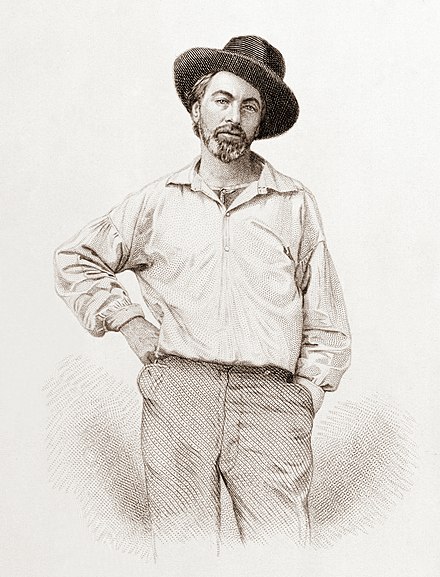
Walt Whitman

How Edna St. Vincent Millay’s Poetry Can Inspire Today’s Children To Write

Edna St. Vincent Millay is one of the most important American poets of the first half of the 20th century. Her poetry is filled with carefully measured rhymes and imaginative themes that can inspire children today to write creatively.

Millay published many books of poetry throughout her life and won a Pulitzer Prize in 1923. Her life was filled with exciting trips and good friends. At the same time, she dealt with serious health problems as an adult and her family had very little money when she was a child. Despite the lack of resources, her mother always encouraged her to write. Her poetry caught the attention of several supporters early in her life who helped her get published. One supporter even paid for her education at Vassar College.

Her poetry reveals her deep passion for life and her imaginative spirit. She wrote about her love of the ocean, romance, and the New England landscape of her childhood. She also wrote poems with magical elements as well as poems where she just lets her imagination about ordinary items run wild.

Some of her poems are accessible to children and are in the book Poetry for Young People – Edna St. Vincent Millay. In this volume, they include part of a longer poem called A Very Little Spinx:

Wonder Where This Horseshoe Went

Wonder where this horseshoe went. 
Up and down, up and down, 
Up and past the monument, 
Maybe into town. 

Wait a minute. “Horseshoe, 
How far have you been? ” 
Says it’s been to Salem 
And halfway to Lynn. 

Wonder who was in the team. 
Wonder what they saw. 
Wonder if they passed a bridge — 
Bridge with a draw. 

Says it went from one bridge 
Straight upon another. 
Says it took a little girl 
Driving with her mother.

I love this imaginative conversation with a horseshoe about its travels. Sharing this with children gives them permission to be imaginative and to write adventures that ordinary items around them might have taken.

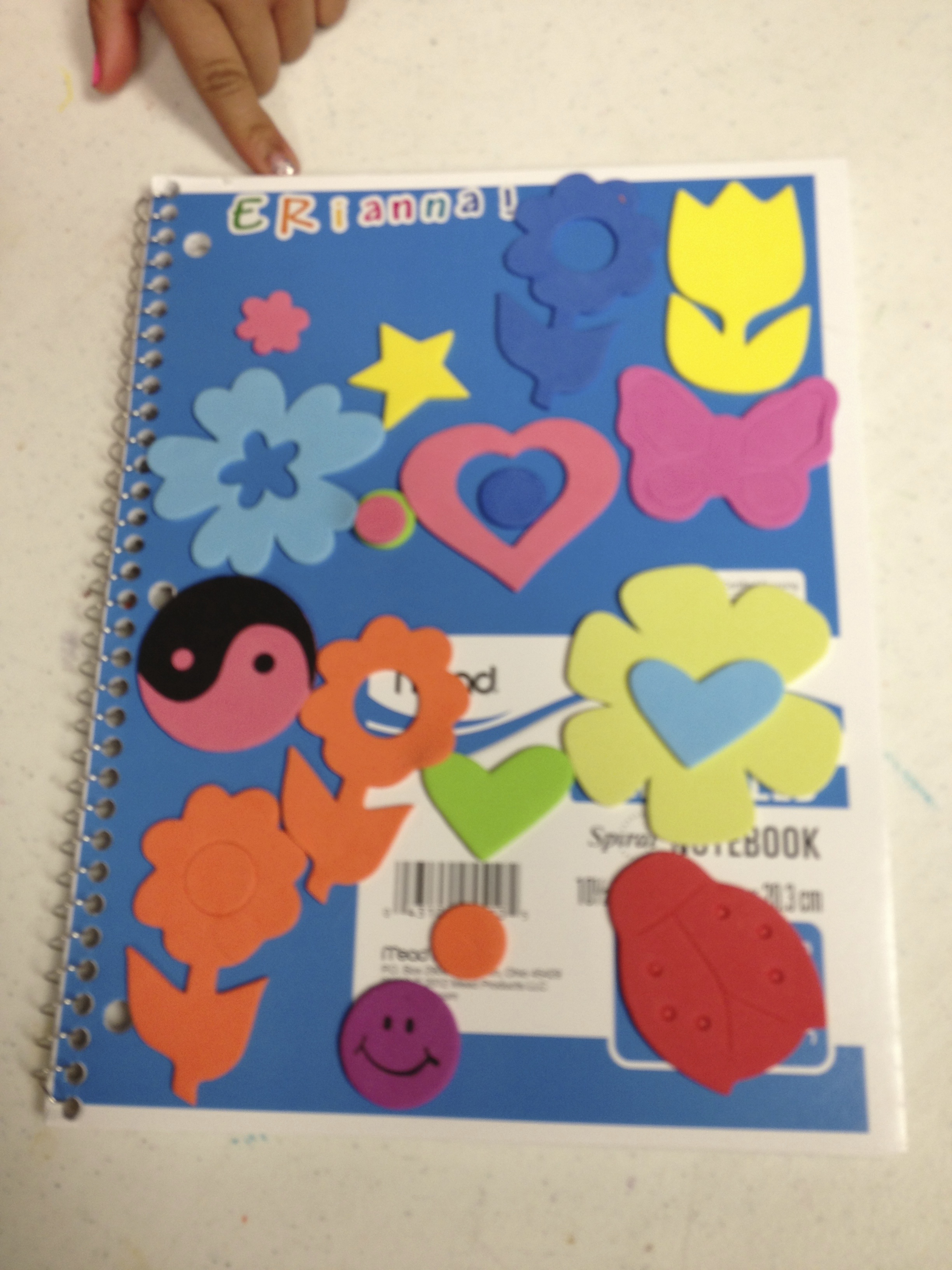
Millay kept many journals throughout her life where she would work on her poems. In the Respect Program, all children get to decorate a journal. Each child then uses it create their own poetry and to help them process their own life experiences through writing. Here are some ideas to inspire the children in your life, with a little help from Millay’s poetry.

Activities for Parents and Teachers

In today’s world, a similar theme could be, “I wonder where these tires went.” Write a poem about where a set of tires could have gone. Use your imagination to create any scenario that interests you, just as Millay does with the horseshoe.

Millay was was born in 1892. Talk with children about the fact that many people at that time traveled by horse or a horse and cart. Visit a horse farm and learn about how and why they put horseshoes on horses. While there, give the children a chance to take a riding lesson. Ask the children to write about the experience when they get home.

Questions for Journaling or Discussion

What do you think riding in a horse-drawn carriage would be like?

Where is a place you would like to visit? Write about what you want to do there.

Is there a friend or family member you would like to travel with? What makes them a good travel companion?

Children decorate notebooks in the Respect
Program for writing poetry and journaling

The Meaning of Life According to Emily Dickinson

Emily Dickinson is known for her great poetry and her shyness. While she rarely left her home, especially later in life, she adored her nieces and nephews and wrote often to family and friends. Her poetry includes timeless topics such as nature, death, hope, and kindness. One of her poems I share with elementary school children in the Respect Program is:

If I can stop one heart from breaking,
I shall not live in vain;
If I can ease one life the aching,
Or cool one pain,
Or help one fainting robin
Unto his nest again,
I shall not live in vain.

There are two themes here to discuss with children. First, that acts of kindness are important. Second, that kindness makes life meaningful. We all want things to happen that don’t occur. Sometimes our team doesn’t win, we don’t place in a competition, or we don’t have as much money has we wish we did. While these are disappointments, they do not mean that our life is without meaning. There will be other competitions, new goals to strive for, and (no matter what) opportunities every day to do some small act of kindness that proves we “shall not live in vain.”

Small act of kindness in Emily Dickinson’s life were not just about helping others, but about giving her life purpose. For example, she baked cookies and prepared other goodies for her nieces, nephews, and the other neighborhood children. After cooking them, she would take the baked goods up to her bedroom, on the second story of her house. There, she would place them in a basket with a rope tied to it. Next, she would wave to the children playing outside and, as they came near the house, she would lower the basket with the rope so they could enjoy the food.

The poem above and this story are a part of the Respect Program because they provide an accessible introduction to a poetic genius, and a reminder that small acts of love leave a legacy all their own.

Activities for Parents and Teachers

Talk about the poem with your children and ask them to name small acts of kindness they can perform, like saying “Hi” to a shy student at school or listening to a friend talk about something they love to do. Ask them: “Does being kind improve your mood?” or “Does being kind to someone make you feel different about how your day is going?”

Read the book Poetry for Young People, Emily Dickinson with your children. This collection includes the poem above as well as some poems that describe various animals (without mentioning the animals’ names). Have your child or class guess what the animal is in each poem. The answers are upside down in the book (on each poem’s page). This activity can build children’s confidence as well as support reading comprehension skills.

Questions for Journaling or Discussion:

What are some small acts of kindness that you are glad to have done for other people?

What small acts of kindness can you do tomorrow to help others?

What gives your life meaning?

How can a kind act for another person improve your well-being?

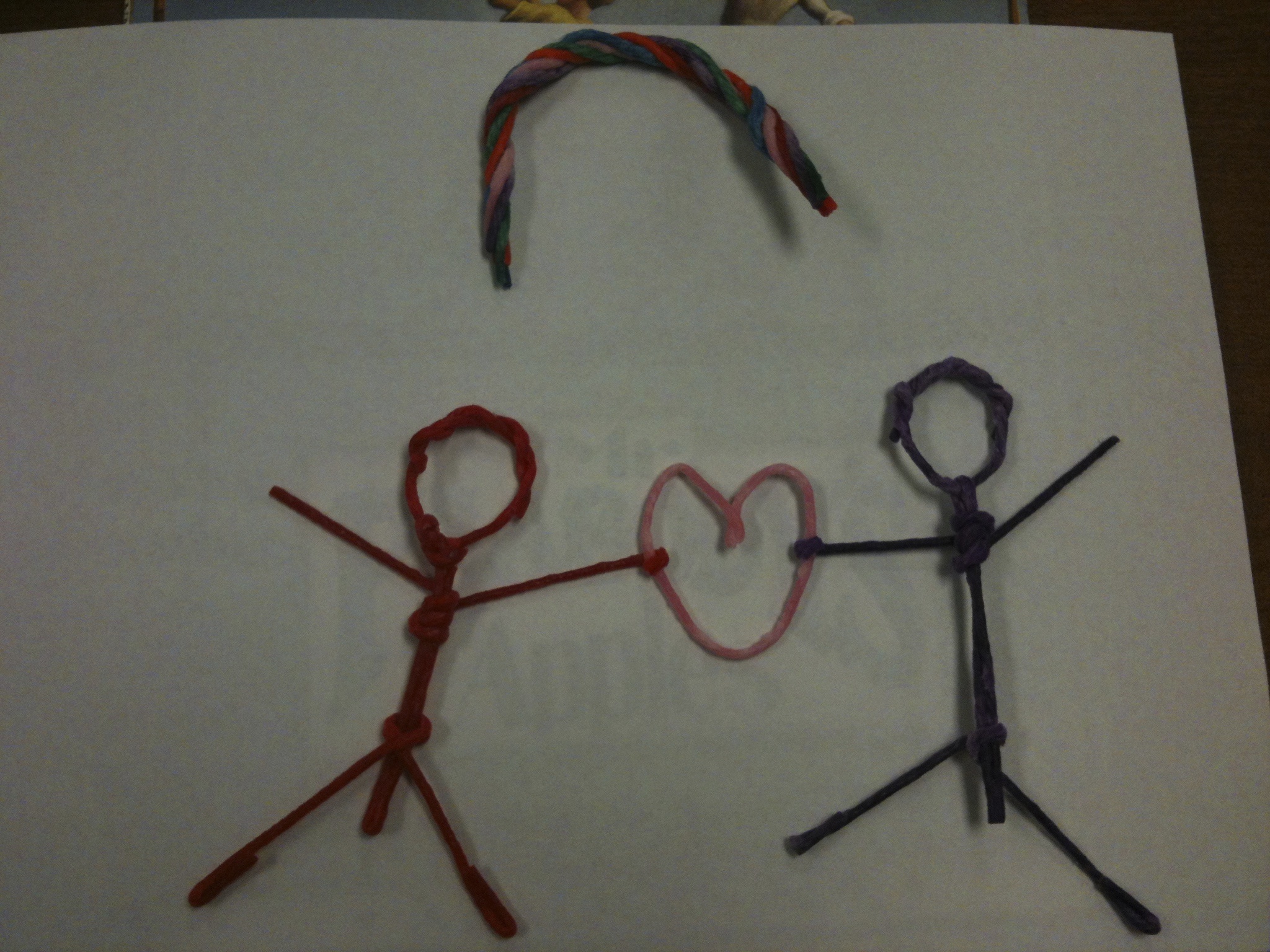
Art made with wax sticks, crayons, and paper by a child in the Respect
Program. The picture is of two children holding a heart between them.

Reading Books Increases Empathy, Which Stops Bullying Behaviors

Through reading books, we learn about other people’s experiences, challenges, and feelings in a fun and entertaining way.

In my anti-bullying classes, I use books and poems to teach children different ways to deal with bullying.

The Respect Program gives children a chance to talk about how characters in a story or poem react to bullies. It begs the question, “Could their approach to bullies work for me?”

There is nothing better than seeing a child’s eyes light up when they learn a new strategy from a story about how to be assertive without being mean. This not only helps a child who is being bullied, but also helps a child think about healthy ways to express their anger so they do not bully others.

Reading Books Increases Empathy

Being Confident Can Help a Child Be Bully Proof

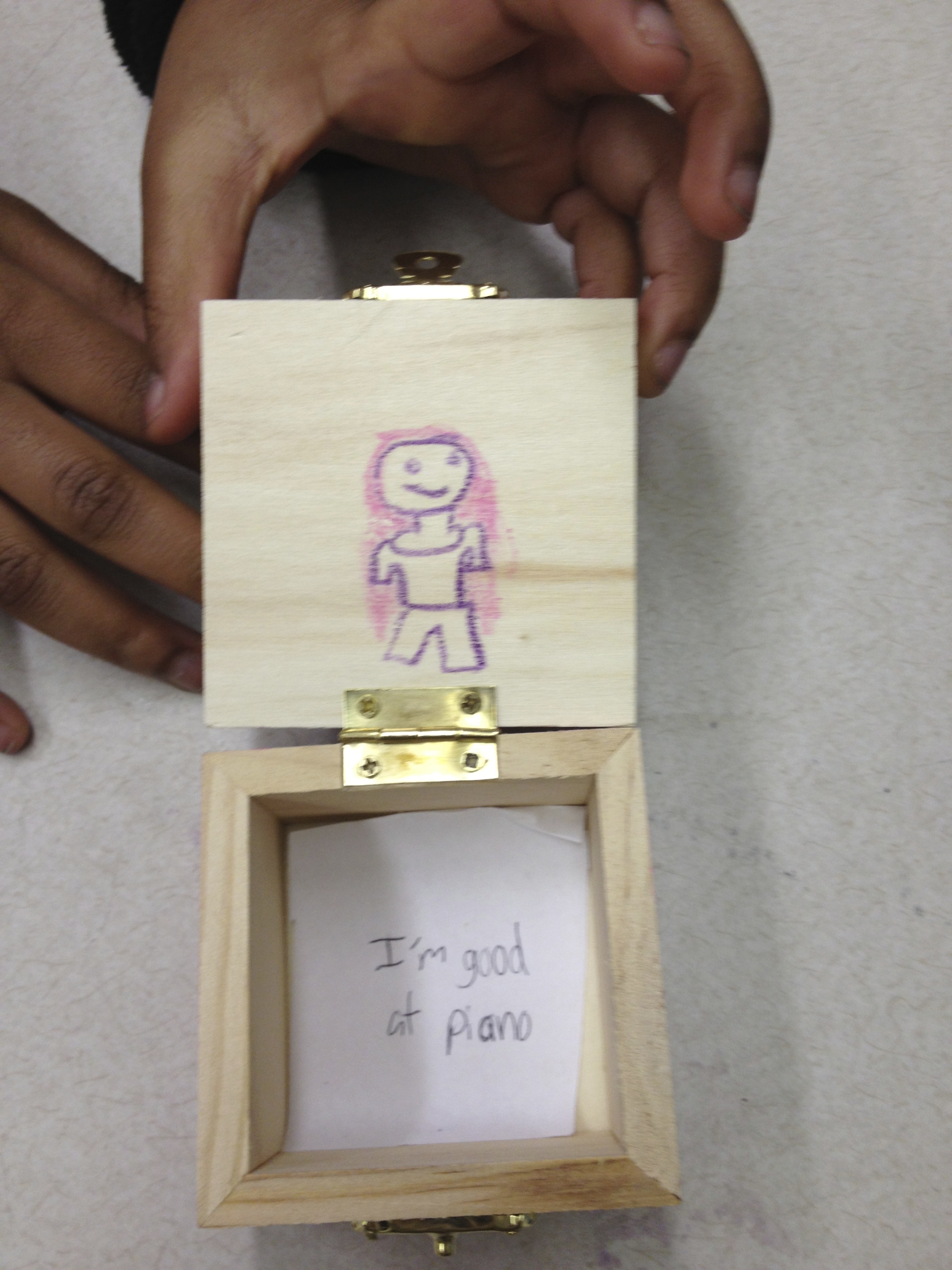
When I work with children, each child decorates a box around the theme: “What is my talent?” I also have them write down their skills on pieces of paper to put in the box. That way, they take home a tangible reminder of the talents and hobbies they have. Some write about their love of playing guitar or dancing. Others write about being good at chess or sports.

I’m Gonna Like Me: Letting of a Little Self-Esteem by Jamie Lee Curtis is a great book to pair with this activity for children ages 4-8.

The more a child knows their worth, the less they will be bothered by those who bully them. After all, why listen to a bully when you know what they say is not true?

Strong self-esteem, hobbies, and talents help children relax and feel confident during times they are bullied. Making these boxes with classmates also helps children to have a shared joyful experience together, which supports a safe social environment.

If you are interested in bringing the Respect Program to your community, please let me know. I have brought the program to schools, after-school programs, summer camps, and houses of worship. In addition to children’s lessons, I also offer anti-bullying workshops for adults where I share various research-based strategies and an overview of the impact bullying has on children.

A child in the Respect Program decorates a box and includes a note that says “I’m good at piano.”

The Greatest Gift We Can Offer a Friend

In my darkest days I have struggled with chronic pain, bullying, workplace bullying, and divorce. During these times, my friends couldn’t change any of these situations. I was the person who had to pursue new medical treatments, find a new job, and grieve a past relationship. However, the simple act of a friend listening reminded me that I was still loved, that my feelings were valid, and that I did have skills to improve my situation.

How has a friend listening helped you heal? Please leave a reply below to share the blessings of listening.

In addition, to encourage conversation about listening with children and adults, share William Carlos Williams’ poem below. This poem beautifully describes the great gift of being present for a friend.

The Friend Who Just Stands

When trouble comes your soul to try, 
You love the friend who just “stands by.” 
Perhaps there’s nothing he can do- 
The thing is strictly up to you; 
For there are troubles all your own, 
And paths the soul must tread also alone; 
Times when love cannot smooth the road 
Nor friendship lift the heavy load, 
But just to know you have a friend 
Who will “stand by” until the end, 
Whose sympathy through all endures, 
Whose warm handclasp is always yours- 
It helps, someway, to pull you through, 
Although there’s nothing he can do. 
And so with fervent heart you cry, 
“God bless the friend who just ‘stands by’!”

By: William Carlos Williams

An art project made out of wax sticks by a student in the Respect Program. The lesson theme that day was “Healthy Friendships.”