Walt Whitman and His Support for Wounded Soldiers

Walt Whitman was born in the early 1800s on Long Island. During the Civil War, Walt Whitman’s brother was hospitalized in Washington DC. When Whitman came from New York to see him, he was already passionate about the Union’s cause. Seeing wounded soldiers in DC, he decided to become a volunteer nurse for the hospital. During his time there, he visited many soldiers, helped them compose letters home, and brought them little gifts. His dedication and kindness brought joy and peace to soldiers who were far from home and had no relatives or friends nearby.

His support for wounded soldiers and his need to write about their cause can be see in Not Youth Pertains to Me: “I have nourish’d the wounded and sooth’d many a dying soldier,/ And at intervals waiting on in the midst of camp,/ Composed these songs.”

Check out Poetry for Young People – Walt Whitman for more facts about this amazing writer and his support and compassion for soldiers and their families. This book is idea for children 9 and up.

Activities for Parents and Teachers

Learn about the branches of the military and ways we can help soldiers and veterans through various nonprofits.

We hear a lot about what bystanders can do when they see bullying. Some effective ways are simple: 1) ask someone if they want to hang out or 2) change the subject when gossip starts. Whitman’s poems and his time as a volunteer nurse are great examples of the power that simple acts of kindness can have on others. He wanted wounded soldiers to know that they were appreciated and had a friend to help them.

Questions for Journaling or Discussion

What is one small act of kindness you can do to help others in your community today?

Has anyone in your family served in the military? What do you know about their service and those that helped them, if they were injured?
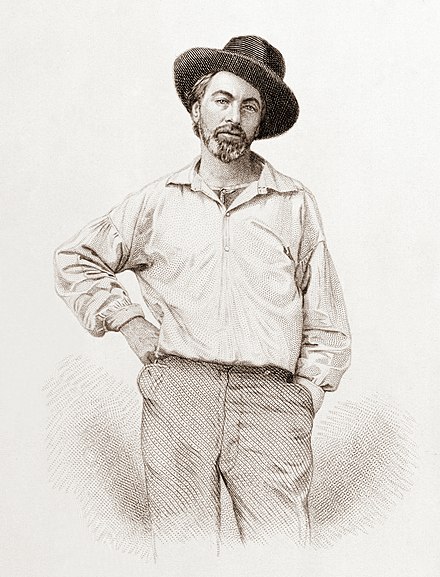
Walt Whitman

How Edna St. Vincent Millay’s Poetry Can Inspire Today’s Children To Write

Edna St. Vincent Millay is one of the most important American poets of the first half of the 20th century. Her poetry is filled with carefully measured rhymes and imaginative themes that can inspire children today to write creatively.

Millay published many books of poetry throughout her life and won a Pulitzer Prize in 1923. Her life was filled with exciting trips and good friends. At the same time, she dealt with serious health problems as an adult and her family had very little money when she was a child. Despite the lack of resources, her mother always encouraged her to write. Her poetry caught the attention of several supporters early in her life who helped her get published. One supporter even paid for her education at Vassar College.

Her poetry reveals her deep passion for life and her imaginative spirit. She wrote about her love of the ocean, romance, and the New England landscape of her childhood. She also wrote poems with magical elements as well as poems where she just lets her imagination about ordinary items run wild.

Some of her poems are accessible to children and are in the book Poetry for Young People – Edna St. Vincent Millay. In this volume, they include part of a longer poem called A Very Little Spinx:

Wonder Where This Horseshoe Went

Wonder where this horseshoe went. 
Up and down, up and down, 
Up and past the monument, 
Maybe into town. 

Wait a minute. “Horseshoe, 
How far have you been? ” 
Says it’s been to Salem 
And halfway to Lynn. 

Wonder who was in the team. 
Wonder what they saw. 
Wonder if they passed a bridge — 
Bridge with a draw. 

Says it went from one bridge 
Straight upon another. 
Says it took a little girl 
Driving with her mother.

I love this imaginative conversation with a horseshoe about its travels. Sharing this with children gives them permission to be imaginative and to write adventures that ordinary items around them might have taken.

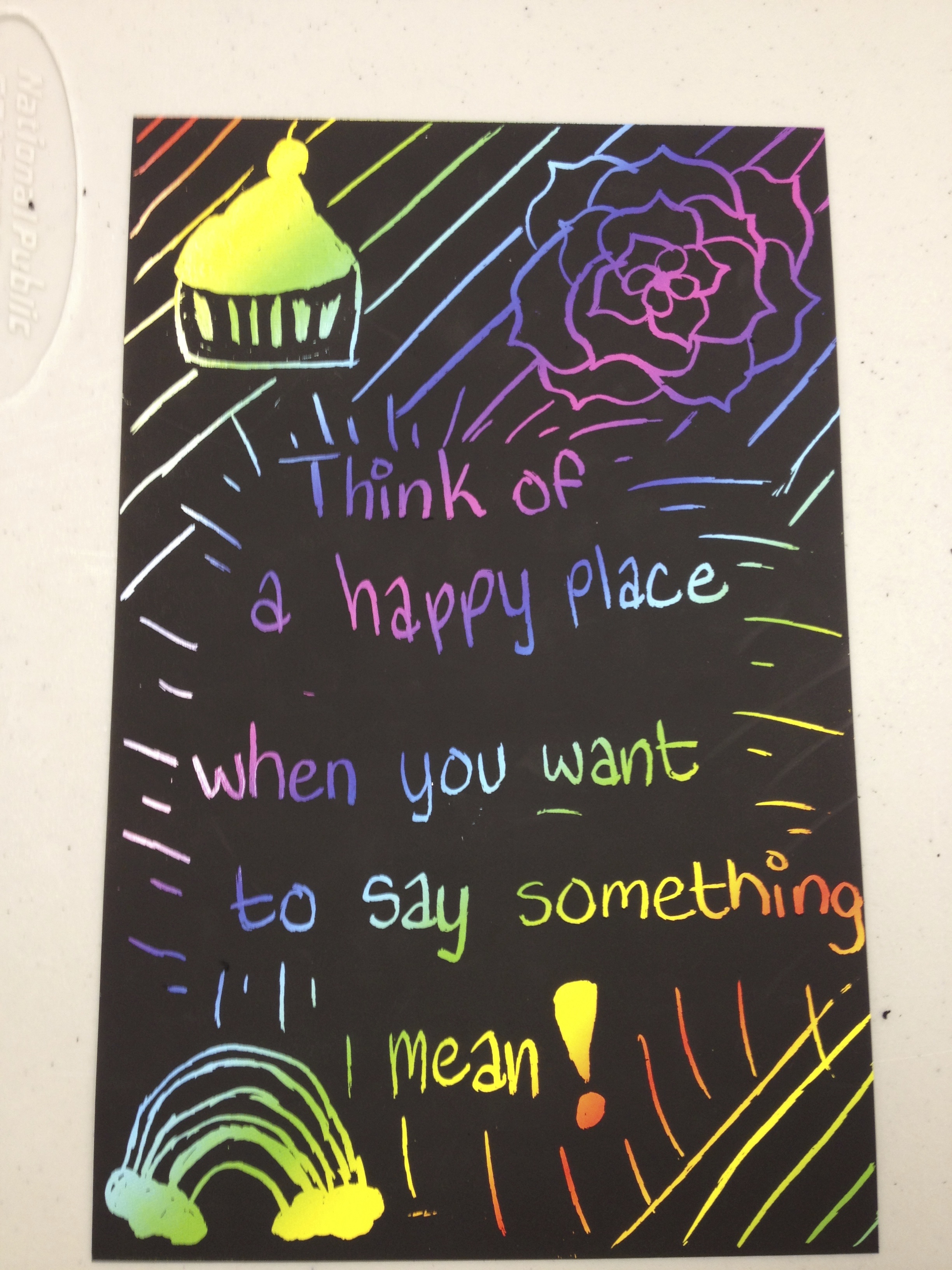
Millay kept many journals throughout her life where she would work on her poems. In the Respect Program, all children get to decorate a journal. Each child then uses it create their own poetry and to help them process their own life experiences through writing. Here are some ideas to inspire the children in your life, with a little help from Millay’s poetry.

Activities for Parents and Teachers

In today’s world, a similar theme could be, “I wonder where these tires went.” Write a poem about where a set of tires could have gone. Use your imagination to create any scenario that interests you, just as Millay does with the horseshoe.

Millay was was born in 1892. Talk with children about the fact that many people at that time traveled by horse or a horse and cart. Visit a horse farm and learn about how and why they put horseshoes on horses. While there, give the children a chance to take a riding lesson. Ask the children to write about the experience when they get home.

Questions for Journaling or Discussion

What do you think riding in a horse-drawn carriage would be like?

Where is a place you would like to visit? Write about what you want to do there.

Is there a friend or family member you would like to travel with? What makes them a good travel companion?

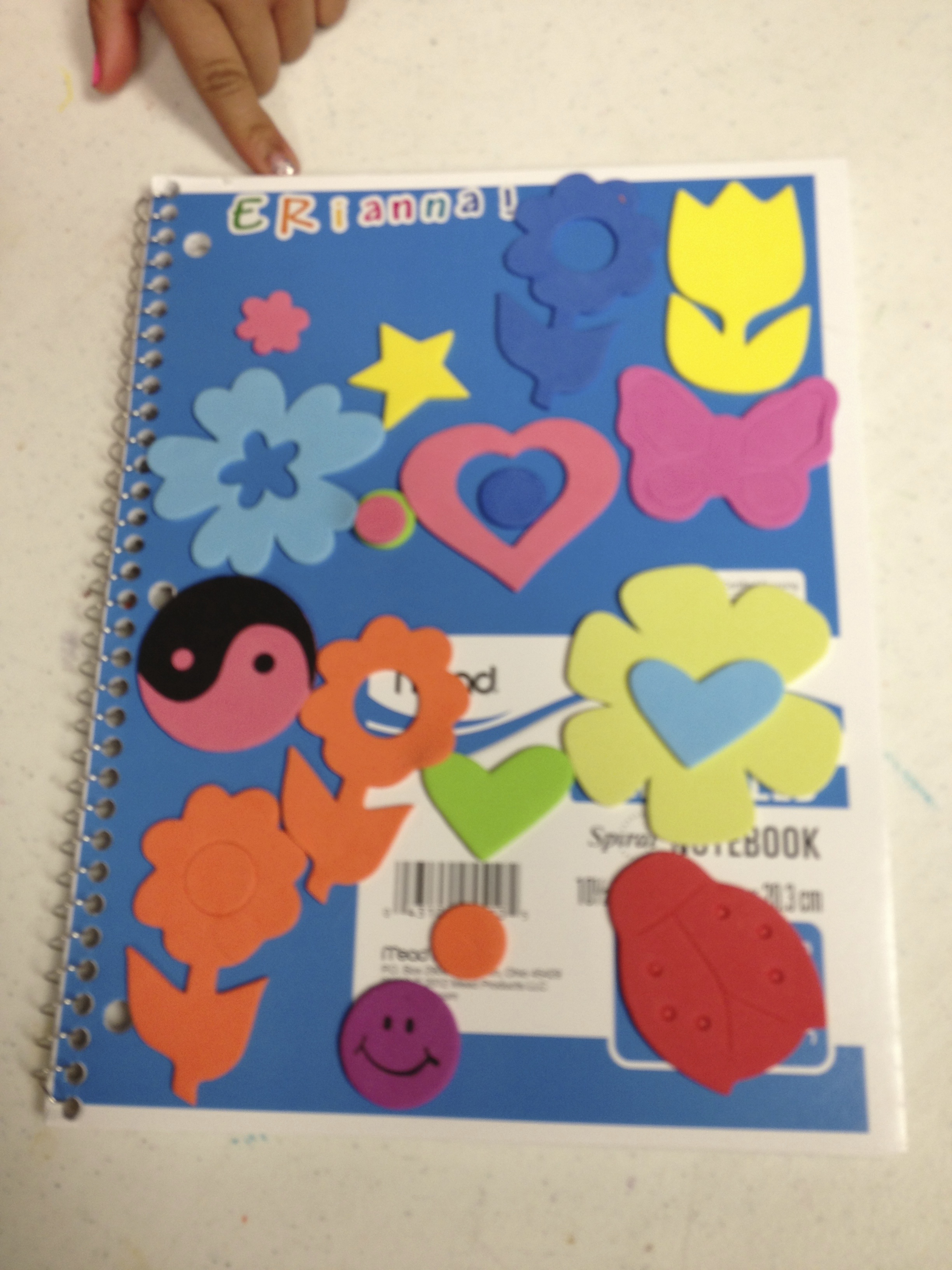
Children decorate notebooks in the Respect
Program for writing poetry and journaling

The Meaning of Life According to Emily Dickinson

Emily Dickinson is known for her great poetry and her shyness. While she rarely left her home, especially later in life, she adored her nieces and nephews and wrote often to family and friends. Her poetry includes timeless topics such as nature, death, hope, and kindness. One of her poems I share with elementary school children in the Respect Program is:

If I can stop one heart from breaking,
I shall not live in vain;
If I can ease one life the aching,
Or cool one pain,
Or help one fainting robin
Unto his nest again,
I shall not live in vain.

There are two themes here to discuss with children. First, that acts of kindness are important. Second, that kindness makes life meaningful. We all want things to happen that don’t occur. Sometimes our team doesn’t win, we don’t place in a competition, or we don’t have as much money has we wish we did. While these are disappointments, they do not mean that our life is without meaning. There will be other competitions, new goals to strive for, and (no matter what) opportunities every day to do some small act of kindness that proves we “shall not live in vain.”

Small act of kindness in Emily Dickinson’s life were not just about helping others, but about giving her life purpose. For example, she baked cookies and prepared other goodies for her nieces, nephews, and the other neighborhood children. After cooking them, she would take the baked goods up to her bedroom, on the second story of her house. There, she would place them in a basket with a rope tied to it. Next, she would wave to the children playing outside and, as they came near the house, she would lower the basket with the rope so they could enjoy the food.

The poem above and this story are a part of the Respect Program because they provide an accessible introduction to a poetic genius, and a reminder that small acts of love leave a legacy all their own.

Activities for Parents and Teachers

Talk about the poem with your children and ask them to name small acts of kindness they can perform, like saying “Hi” to a shy student at school or listening to a friend talk about something they love to do. Ask them: “Does being kind improve your mood?” or “Does being kind to someone make you feel different about how your day is going?”

Read the book Poetry for Young People, Emily Dickinson with your children. This collection includes the poem above as well as some poems that describe various animals (without mentioning the animals’ names). Have your child or class guess what the animal is in each poem. The answers are upside down in the book (on each poem’s page). This activity can build children’s confidence as well as support reading comprehension skills.

Questions for Journaling or Discussion:

What are some small acts of kindness that you are glad to have done for other people?

What small acts of kindness can you do tomorrow to help others?

What gives your life meaning?

How can a kind act for another person improve your well-being?

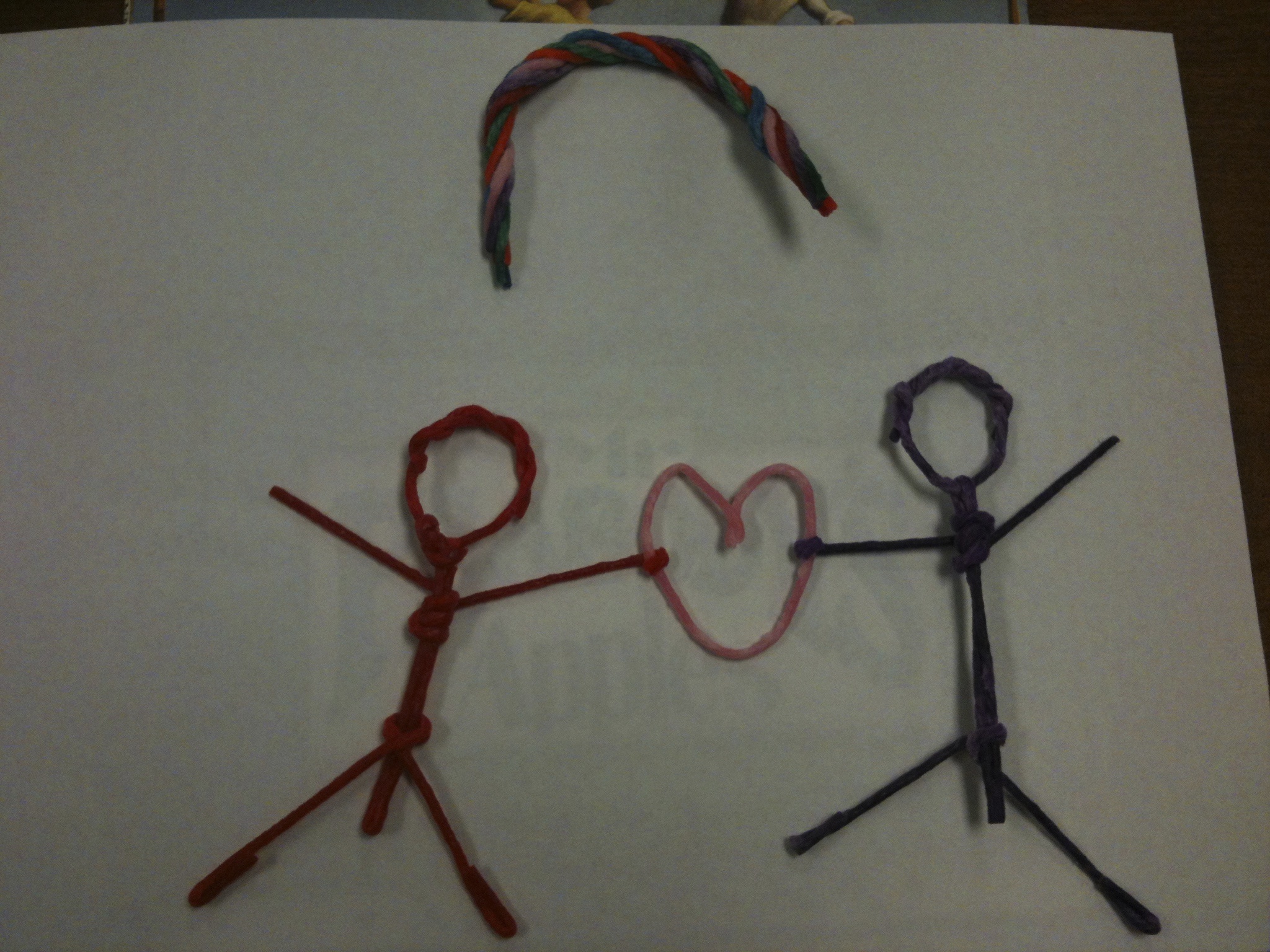
Art made with wax sticks, crayons, and paper by a child in the Respect
Program. The picture is of two children holding a heart between them.

Reading Books Increases Empathy, Which Stops Bullying Behaviors

Through reading books, we learn about other people’s experiences, challenges, and feelings in a fun and entertaining way.

In my anti-bullying classes, I use books and poems to teach children different ways to deal with bullying.

The Respect Program gives children a chance to talk about how characters in a story or poem react to bullies. It begs the question, “Could their approach to bullies work for me?”

There is nothing better than seeing a child’s eyes light up when they learn a new strategy from a story about how to be assertive without being mean. This not only helps a child who is being bullied, but also helps a child think about healthy ways to express their anger so they do not bully others.

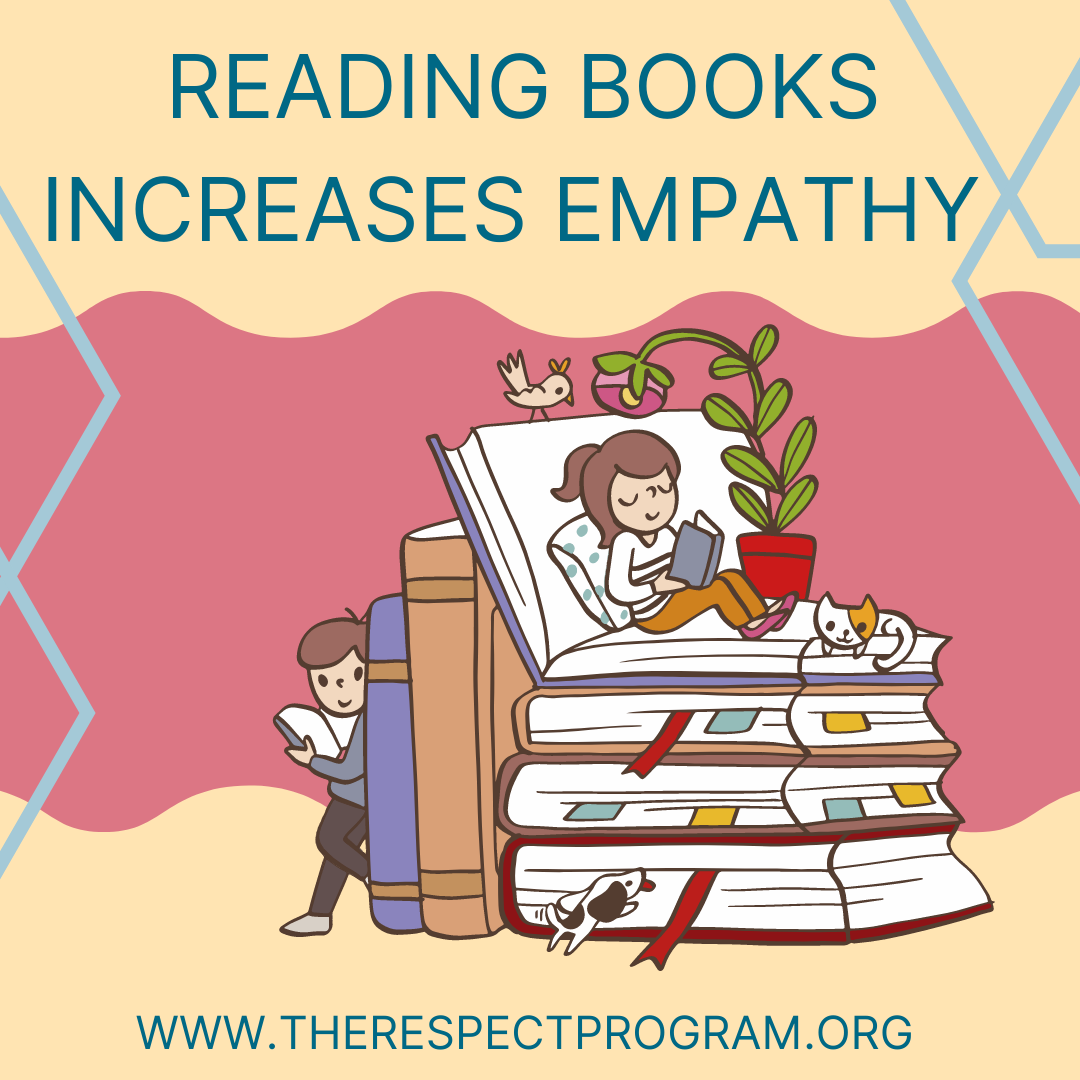
Reading Books Increases Empathy

Being Confident Can Help a Child Be Bully Proof

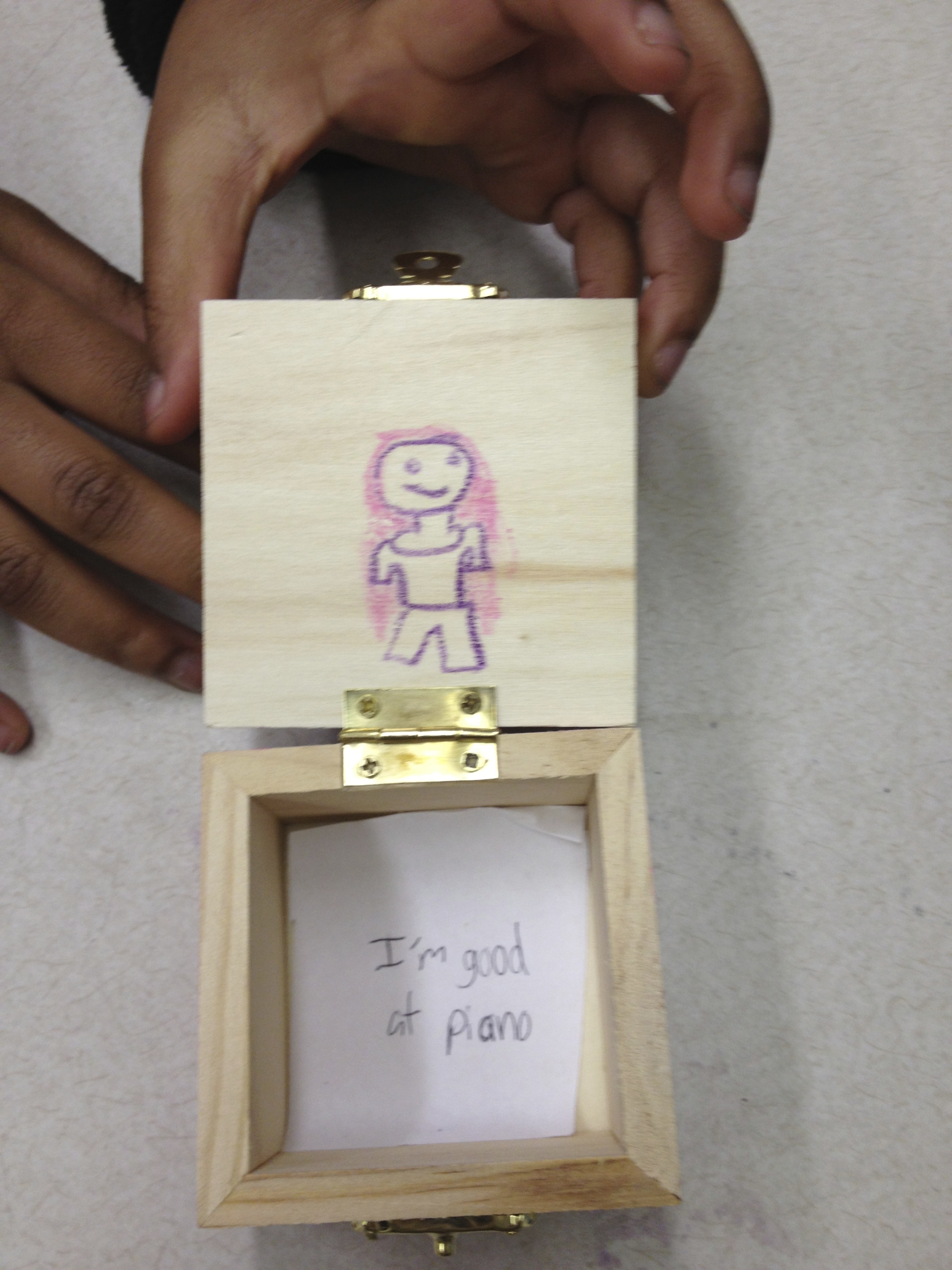
When I work with children, each child decorates a box around the theme: “What is my talent?” I also have them write down their skills on pieces of paper to put in the box. That way, they take home a tangible reminder of the talents and hobbies they have. Some write about their love of playing guitar or dancing. Others write about being good at chess or sports.

I’m Gonna Like Me: Letting of a Little Self-Esteem by Jamie Lee Curtis is a great book to pair with this activity for children ages 4-8.

The more a child knows their worth, the less they will be bothered by those who bully them. After all, why listen to a bully when you know what they say is not true?

Strong self-esteem, hobbies, and talents help children relax and feel confident during times they are bullied. Making these boxes with classmates also helps children to have a shared joyful experience together, which supports a safe social environment.

If you are interested in bringing the Respect Program to your community, please let me know. I have brought the program to schools, after-school programs, summer camps, and houses of worship. In addition to children’s lessons, I also offer anti-bullying workshops for adults where I share various research-based strategies and an overview of the impact bullying has on children.

A child in the Respect Program decorates a box and includes a note that says “I’m good at piano.”

The Greatest Gift We Can Offer a Friend

In my darkest days I have struggled with chronic pain, bullying, workplace bullying, and divorce. During these times, my friends couldn’t change any of these situations. I was the person who had to pursue new medical treatments, find a new job, and grieve a past relationship. However, the simple act of a friend listening reminded me that I was still loved, that my feelings were valid, and that I did have skills to improve my situation.

How has a friend listening helped you heal? Please leave a reply below to share the blessings of listening.

In addition, to encourage conversation about listening with children and adults, share William Carlos Williams’ poem below. This poem beautifully describes the great gift of being present for a friend.

The Friend Who Just Stands

When trouble comes your soul to try, 
You love the friend who just “stands by.” 
Perhaps there’s nothing he can do- 
The thing is strictly up to you; 
For there are troubles all your own, 
And paths the soul must tread also alone; 
Times when love cannot smooth the road 
Nor friendship lift the heavy load, 
But just to know you have a friend 
Who will “stand by” until the end, 
Whose sympathy through all endures, 
Whose warm handclasp is always yours- 
It helps, someway, to pull you through, 
Although there’s nothing he can do. 
And so with fervent heart you cry, 
“God bless the friend who just ‘stands by’!”

By: William Carlos Williams

An art project made out of wax sticks by a student in the Respect Program. The lesson theme that day was “Healthy Friendships.”

Great Stories Build Empathy and Gratitude

Three Thank You Notes I Have Been Meaning To Write…….Addresses Unknown

I

Dear Walt Whitman,

I love writing poetry, like you.  I read “Song of Myself” the other day.  Your beautiful 

poem from Leaves of Grass that I love.

I cannot imagine what it was like for you living during the Civil War but I know what it means to want to celebrate the diversity of people.

We are not the same sex.  You are male and I, well, I am female, but what does that mean I ask myself.  You understand, don’t you?

We need more of your optimistic kind today.  Celebrating in the streets our differences

Thank you for understanding.  I don’t feel so lonely now that I have heard

your voice.

II

Dear Anzia Yezierska,

I am a believer is education for everyone, just like you.

I read your book, Bread Givers, the other day, it was so beautifully written.  

I cannot imagine the poverty on the lower east side of New York you lived through to write about, but I understand your need to walk away from a man who wanted to own you and I know what it is like to feel over worked.

You are of a different faith than I.  You being Jewish and I being, well I am not sure, you understand don’t you?

We need more of your determined kind today.  Standing up to stereotypes by being one’s self.

Thank you for understanding.  I don’t feel so afraid of my future now that I have heard

your voice.

III

Dear Toni Morrison,

I am a woman like you.  I read Beloved the other day. Your masterpiece is what

they are calling it. 

I cannot imagine what it was like to be a slave as you so vividly

write about for the generations now living.  But I know what it is to be haunted by traumatic memories.

We are not of the same race,  You are African-American, I, well I am not sure now what to call myself, you understand, don’t you?

We need more of your empowered kind today.  Teaching people to heal and cultivate diversity.

Thank you for understanding.  I don’t feel so lost in the past now that I have heard  

your voice.

By: Amanda Cook

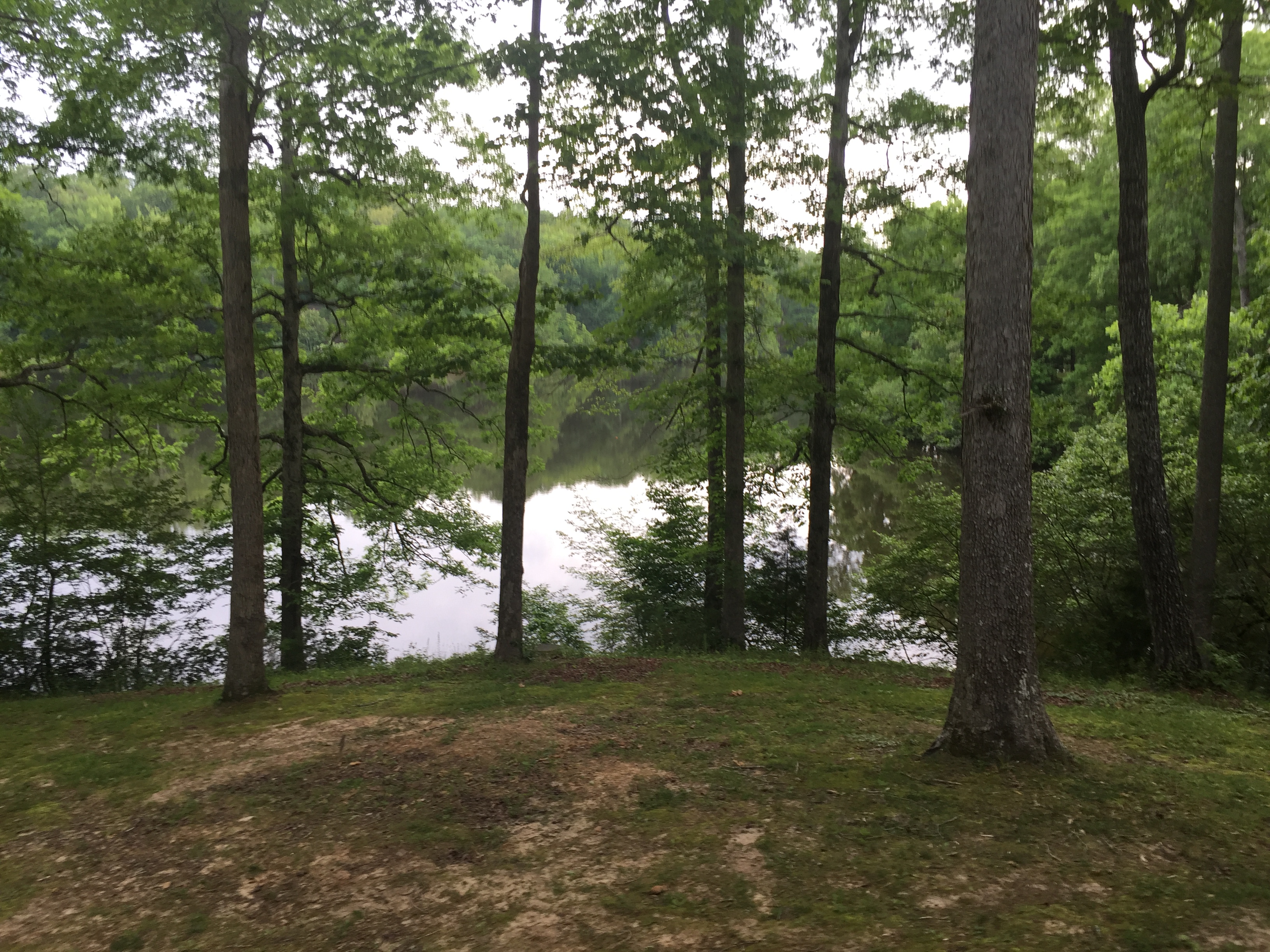
Natchez Trace State Park, the place I like to go to read all the great books that inspire me.

The Power of Journaling for Children and Adults

A journal, I tell children I work with, is a place where you can write anything you want. It is your space to be you. As a child, writing helped me to process bullying I experienced and to expand my creativity. I wrote poems, descriptions of how I was feeling, and commentary on writers who I loved.

Today, I journal regularly. I remind myself that my writing each day doesn’t have to be long to be meaningful. The important thing is that I have an unfiltered place to write about who I am and what I am feeling.

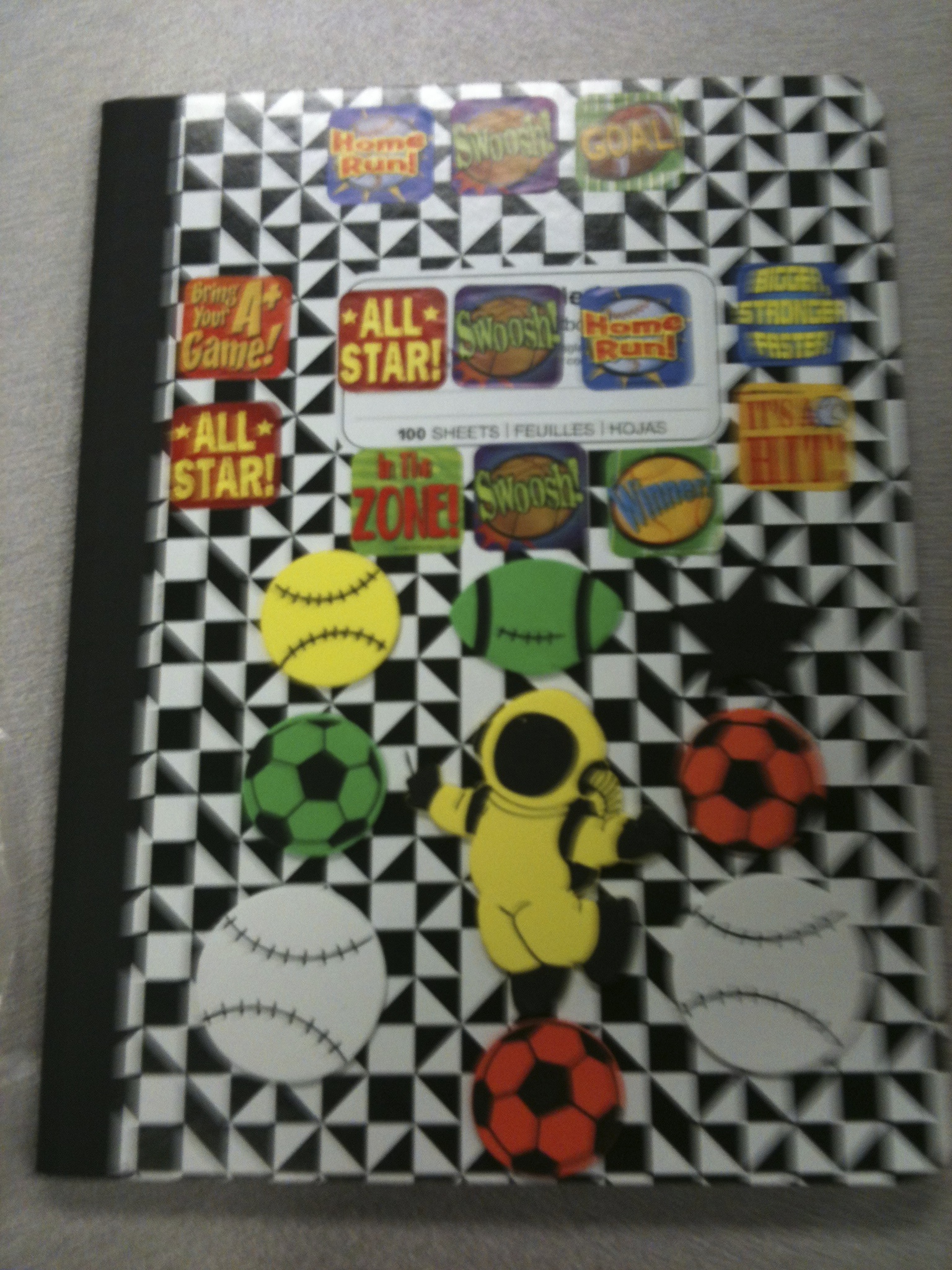
All children and adults can benefit from a journal’s safe creative space. During the lesson in the Respect Program where we create journals, I bring notebooks, markers and stickers. The stickers have a variety of themes: space, sports, fairies, nature, affirmations, and anything else I can find. Then the children get to decorate them. The joy of seeing their eyes light up when they are done is amazing.

Happy journaling to you and the children in your life!

A journal decorated by a child in the Respect Program

Let’s Spread Some Positive Gossip

Negative gossip empowers bullying behavior in most schools and workplaces. It can start innocently enough, sharing with a friend or co-worker about something someone did that we don’t approve of them doing. The danger is that we can’t always trust who we are talking to about our concerns. The fact is, if someone is a gossip, chances are they are also gossiping about you when your back is turned. I wish I had known this as a child making my way through junior high and high school!

Changing our gossip-focused behavior is impacted by compassion and a commitment positive gossip:

  1. First, I remember that when I want to gossip and harshly judge another person’s mistake, I need to stop and have compassion for the person. I also remember that I need kindness as well when I make an error.
  2. Secondly, stop the negative gossip by shifting the conversation to positive gossip about someone. The poem I Know Something Good About You presents this beautifully. Keep in mind that we don’t have to say nice things about someone we hate, especially if this would come off as insincere. Instead, start talking about people you admire and positive things you want to do with your day to end the negative gossip.

Enjoy the poem and spread some positive gossip today!

Know Something Good About You

Wouldn’t this old world be better
If the folks we meet would say –
“I know something good about you!”
And treat us just that way?

Wouldn’t it be fine and dandy
If each handclasp, fond and true,
Carried with it this assurance –
“I know something good about you!”

Wouldn’t life be lots more happy
If the good that’s in us all
Were the only thing about us
That folks bothered to recall?

Wouldn’t life be lots more happy
If we praised the good we see?
For there’s such a lot of goodness
In the worst of you and me!

Wouldn’t it be nice to practice
That fine way of thinking, too?

You know something good about me;
I know something good about you.

By: Louis C. Shimon

Art from a student in the Respect Program

Stop Bullying Before it Starts with Compassionate Communication

When children or adults are rude to someone, there is a natural reaction to justify that behavior. Such as, “I told them their idea is terrible because it is!” Whether it was a terrible idea or not, telling someone how wrong they are will certainly not solve the problem. Why not ask the person some questions about her perspective on this “terrible idea”? I find that when I stop being judgmental and start understanding the person’s perspective my compassion increases, which opens up a healthy dialogue with that person and allows the two of us to find solutions. This dialogue also increases our ability to work together as a team in the future.

When children (or adults) are caught bullying others, be prepared for a list of reasons that they feel totally justified in their behavior. When we are angry and lashing out, we need to be reminded to:

  1. Learn to deal with anger in healthy ways, like journaling or talking with a trusted friend.
  2. Be open and honest about our role in conflicts with each other
  3. Apologize when we are acting like bullies, and
  4. Make amends. This is not just about saying “I’m sorry,” but rather about being more considerate and kind in the future. Even if most of a situation is not my fault, apologizing for my part in the conflict has led to peace and healing in several of my challenging relationships with friends and co-workers.

This is all easier said than done, but the more we work at these steps, the more productive and fun our time will be with others. Otherwise, one person’s bad attitude can justify repeated bullying attacks, which can escalate over time. Conflicts will always continue to arise in life, but with respect and clear communication, we can work together to resolve issues peacefully.

William Blake wrote about conflict escalating in his poem A Poison Tree. You can find this poem in many collections of his work, including Poetry for Young People – William Blake, which is ideal for children ages nine to twelve. This is a great poem to discuss with children to get them talking about how to deal with conflict and the consequences of letting problems escalate.

A Poison Tree

I was angry with my friend; 
I told my wrath, my wrath did end. 
I was angry with my foe: 
I told it not, my wrath did grow. 

And I waterd it in fears, 
Night & morning with my tears: 
And I sunned it with smiles, 
And with soft deceitful wiles. 

And it grew both day and night. 
Till it bore an apple bright. 
And my foe beheld it shine, 
And he knew that it was mine. 

And into my garden stole, 
When the night had veild the pole; 
In the morning glad I see; 
My foe outstretched beneath the tree.

-William Blake