May Your Day Be Filled With Kindness for Yourself and Others. Please Like and Comment on this Post Below.
Thank you for visiting The Respect Program blog and for all you do to create safe social spaces for the children and adults in your life.
May Your Day Be Filled With Kindness for Yourself and Others. Please Like and Comment on this Post Below.
Thank you for visiting The Respect Program blog and for all you do to create safe social spaces for the children and adults in your life.
When I work with children, each child decorates a box around the theme: “What is my talent?” I also have them write down their skills on pieces of paper to put in the box. That way, they take home a tangible reminder of the talents and hobbies they have. Some write about their love of playing guitar or dancing. Others write about being good at chess or sports.
I’m Gonna Like Me: Letting of a Little Self-Esteem by Jamie Lee Curtis is a great book to pair with this activity for children ages 4-8.
The more a child knows their worth, the less they will be bothered by those who bully them. After all, why listen to a bully when you know what they say is not true?
Strong self-esteem, hobbies, and talents help children relax and feel confident during times they are bullied. Making these boxes with classmates also helps children to have a shared joyful experience together, which supports a safe social environment.
If you are interested in bringing the Respect Program to your community, please let me know. I have brought the program to schools, after-school programs, summer camps, and houses of worship. In addition to children’s lessons, I also offer anti-bullying workshops for adults where I share various research-based strategies and an overview of the impact bullying has on children.
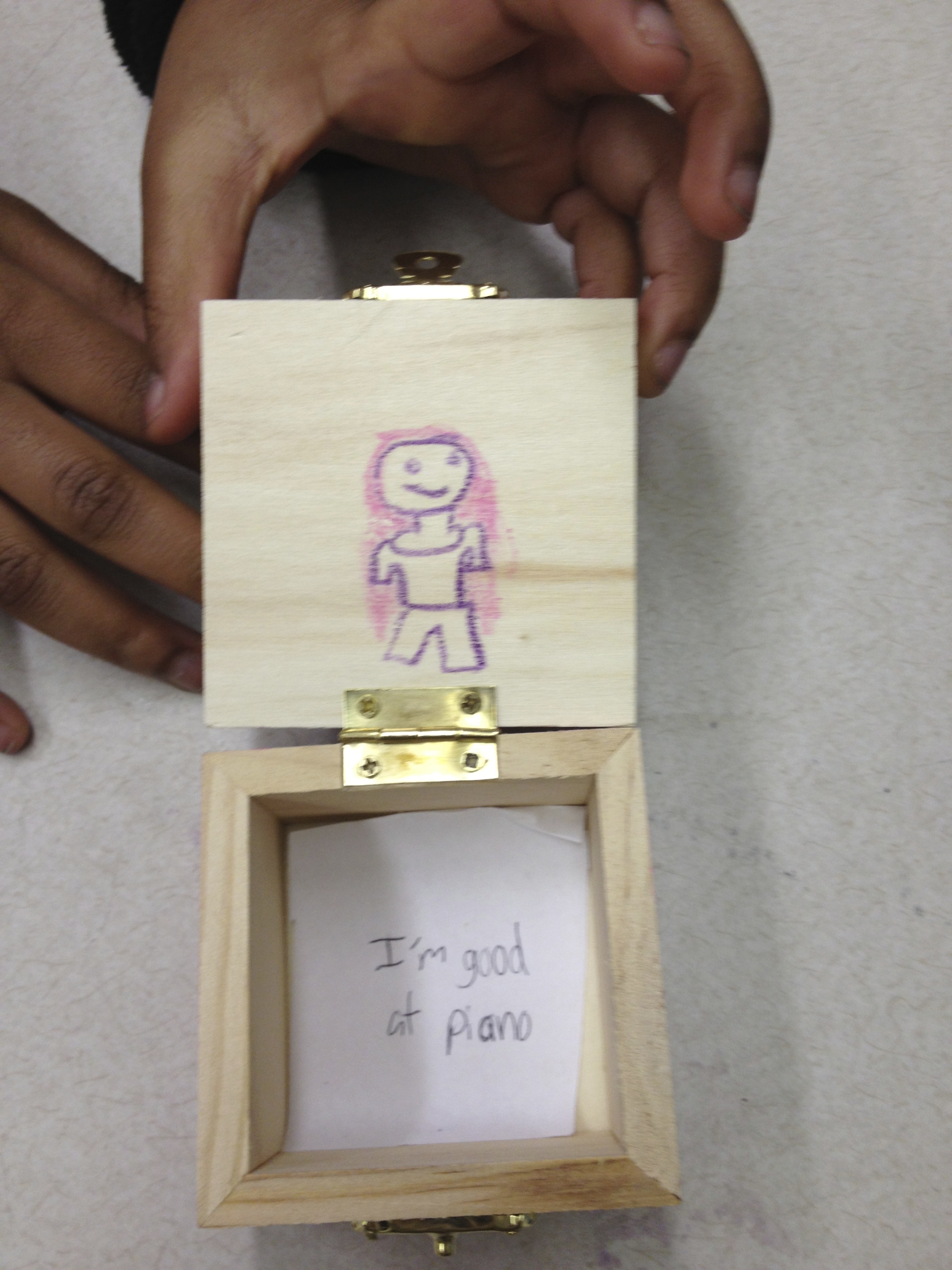
A child in the Respect Program decorates a box and includes a note that says “I’m good at piano.”
In my darkest days I have struggled with chronic pain, bullying, workplace bullying, and divorce. During these times, my friends couldn’t change any of these situations. I was the person who had to pursue new medical treatments, find a new job, and grieve a past relationship. However, the simple act of a friend listening reminded me that I was still loved, that my feelings were valid, and that I did have skills to improve my situation.
How has a friend listening helped you heal? Please leave a reply below to share the blessings of listening.
In addition, to encourage conversation about listening with children and adults, share William Carlos Williams’ poem below. This poem beautifully describes the great gift of being present for a friend.
The Friend Who Just Stands
When trouble comes your soul to try,
You love the friend who just “stands by.”
Perhaps there’s nothing he can do-
The thing is strictly up to you;
For there are troubles all your own,
And paths the soul must tread also alone;
Times when love cannot smooth the road
Nor friendship lift the heavy load,
But just to know you have a friend
Who will “stand by” until the end,
Whose sympathy through all endures,
Whose warm handclasp is always yours-
It helps, someway, to pull you through,
Although there’s nothing he can do.
And so with fervent heart you cry,
“God bless the friend who just ‘stands by’!”
By: William Carlos Williams
Three Thank You Notes I Have Been Meaning To Write…….Addresses Unknown
I
Dear Walt Whitman,
I love writing poetry, like you. I read “Song of Myself” the other day. Your beautiful
poem from Leaves of Grass that I love.
I cannot imagine what it was like for you living during the Civil War but I know what it means to want to celebrate the diversity of people.
We are not the same sex. You are male and I, well, I am female, but what does that mean I ask myself. You understand, don’t you?
We need more of your optimistic kind today. Celebrating in the streets our differences
Thank you for understanding. I don’t feel so lonely now that I have heard
your voice.
II
Dear Anzia Yezierska,
I am a believer is education for everyone, just like you.
I read your book, Bread Givers, the other day, it was so beautifully written.
I cannot imagine the poverty on the lower east side of New York you lived through to write about, but I understand your need to walk away from a man who wanted to own you and I know what it is like to feel over worked.
You are of a different faith than I. You being Jewish and I being, well I am not sure, you understand don’t you?
We need more of your determined kind today. Standing up to stereotypes by being one’s self.
Thank you for understanding. I don’t feel so afraid of my future now that I have heard
your voice.
III
Dear Toni Morrison,
I am a woman like you. I read Beloved the other day. Your masterpiece is what
they are calling it.
I cannot imagine what it was like to be a slave as you so vividly
write about for the generations now living. But I know what it is to be haunted by traumatic memories.
We are not of the same race, You are African-American, I, well I am not sure now what to call myself, you understand, don’t you?
We need more of your empowered kind today. Teaching people to heal and cultivate diversity.
Thank you for understanding. I don’t feel so lost in the past now that I have heard
your voice.
By: Amanda Cook
A journal, I tell children I work with, is a place where you can write anything you want. It is your space to be you. As a child, writing helped me to process bullying I experienced and to expand my creativity. I wrote poems, descriptions of how I was feeling, and commentary on writers who I loved.
Today, I journal regularly. I remind myself that my writing each day doesn’t have to be long to be meaningful. The important thing is that I have an unfiltered place to write about who I am and what I am feeling.
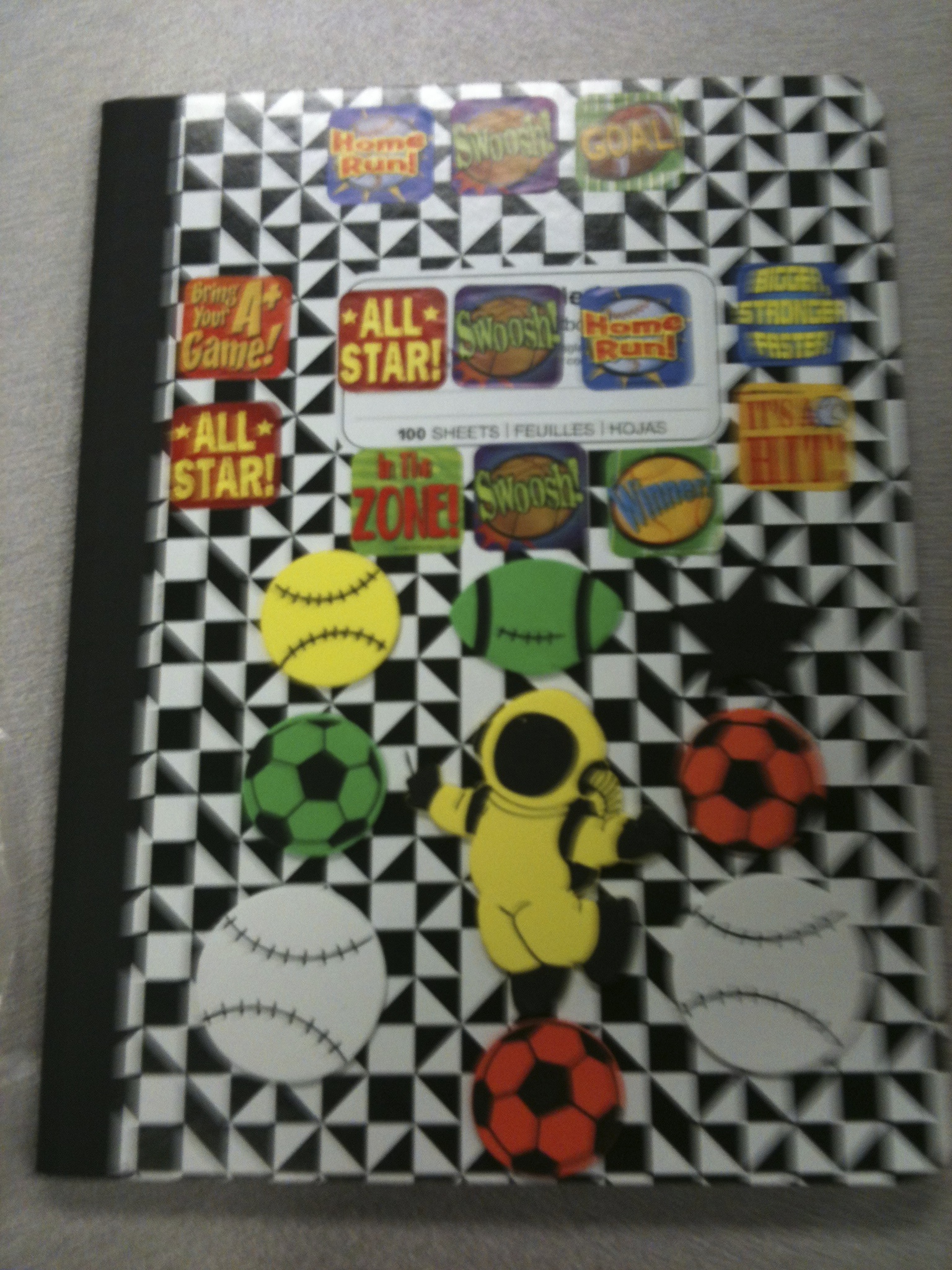
All children and adults can benefit from a journal’s safe creative space. During the lesson in the Respect Program where we create journals, I bring notebooks, markers and stickers. The stickers have a variety of themes: space, sports, fairies, nature, affirmations, and anything else I can find. Then the children get to decorate them. The joy of seeing their eyes light up when they are done is amazing.
Happy journaling to you and the children in your life!
Negative gossip empowers bullying behavior in most schools and workplaces. It can start innocently enough, sharing with a friend or co-worker about something someone did that we don’t approve of them doing. The danger is that we can’t always trust who we are talking to about our concerns. The fact is, if someone is a gossip, chances are they are also gossiping about you when your back is turned. I wish I had known this as a child making my way through junior high and high school!
Changing our gossip-focused behavior is impacted by compassion and a commitment positive gossip:
Enjoy the poem and spread some positive gossip today!
Know Something Good About You
Wouldn’t this old world be better
If the folks we meet would say –
“I know something good about you!”
And treat us just that way?
Wouldn’t it be fine and dandy
If each handclasp, fond and true,
Carried with it this assurance –
“I know something good about you!”
Wouldn’t life be lots more happy
If the good that’s in us all
Were the only thing about us
That folks bothered to recall?
Wouldn’t life be lots more happy
If we praised the good we see?
For there’s such a lot of goodness
In the worst of you and me!
Wouldn’t it be nice to practice
That fine way of thinking, too?
You know something good about me;
I know something good about you.
By: Louis C. Shimon
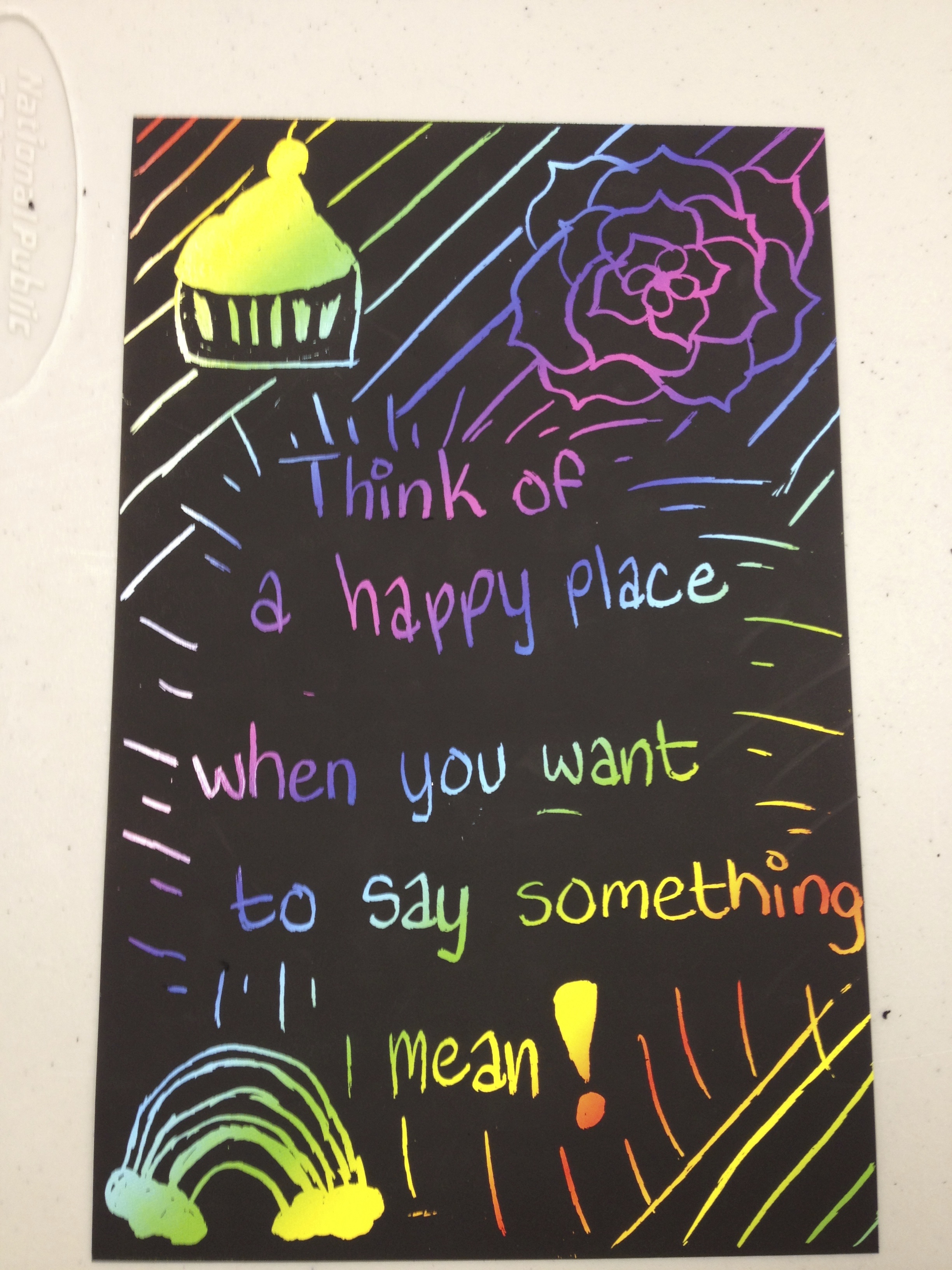
When children or adults are rude to someone, there is a natural reaction to justify that behavior. Such as, “I told them their idea is terrible because it is!” Whether it was a terrible idea or not, telling someone how wrong they are will certainly not solve the problem. Why not ask the person some questions about her perspective on this “terrible idea”? I find that when I stop being judgmental and start understanding the person’s perspective my compassion increases, which opens up a healthy dialogue with that person and allows the two of us to find solutions. This dialogue also increases our ability to work together as a team in the future.
When children (or adults) are caught bullying others, be prepared for a list of reasons that they feel totally justified in their behavior. When we are angry and lashing out, we need to be reminded to:
This is all easier said than done, but the more we work at these steps, the more productive and fun our time will be with others. Otherwise, one person’s bad attitude can justify repeated bullying attacks, which can escalate over time. Conflicts will always continue to arise in life, but with respect and clear communication, we can work together to resolve issues peacefully.
William Blake wrote about conflict escalating in his poem A Poison Tree. You can find this poem in many collections of his work, including Poetry for Young People – William Blake, which is ideal for children ages nine to twelve. This is a great poem to discuss with children to get them talking about how to deal with conflict and the consequences of letting problems escalate.
I was angry with my friend;
I told my wrath, my wrath did end.
I was angry with my foe:
I told it not, my wrath did grow.
And I waterd it in fears,
Night & morning with my tears:
And I sunned it with smiles,
And with soft deceitful wiles.
And it grew both day and night.
Till it bore an apple bright.
And my foe beheld it shine,
And he knew that it was mine.
And into my garden stole,
When the night had veild the pole;
In the morning glad I see;
My foe outstretched beneath the tree.
-William Blake

I was thinking about my issues with perfectionism today. I sometimes set an impossible standard for myself and then have to reevaluate what is feasible to do. I also have to often remind myself that we are all imperfect and that that is not only okay but wonderful that this imperfection gives us opportunities to grow, continue to improve, and to support those we love. Here is one of my poems where I played with this idea.
What We Are Is Enough
When we love, we love imperfect people,
Because they are the people available to love
When we help, we reach with imperfect hands
Because they are what we have to reach with
When we receive we take in the pain and joy of the world with an imperfect heart
Because it is the heart we are blessed to have.
By: Amanda Cook
Have a blessedly, lovely, imperfect day!

How to Be a Friend: A Guide to Making Friends and Keeping Them (Dino Tales: Life Guides for Families) By Laurie Krasny Brown, with pictures by Marc Brown, is a great book for ages 4 – 8 years old about how to build friendship skills. I highly recommend it for ideas not only on how to get a friend (asking someone to play, for example), but also because it talks about what a healthy friendship is. In the book she writes, “Anyone who is nice to you and likes to play with you can become a friend.”
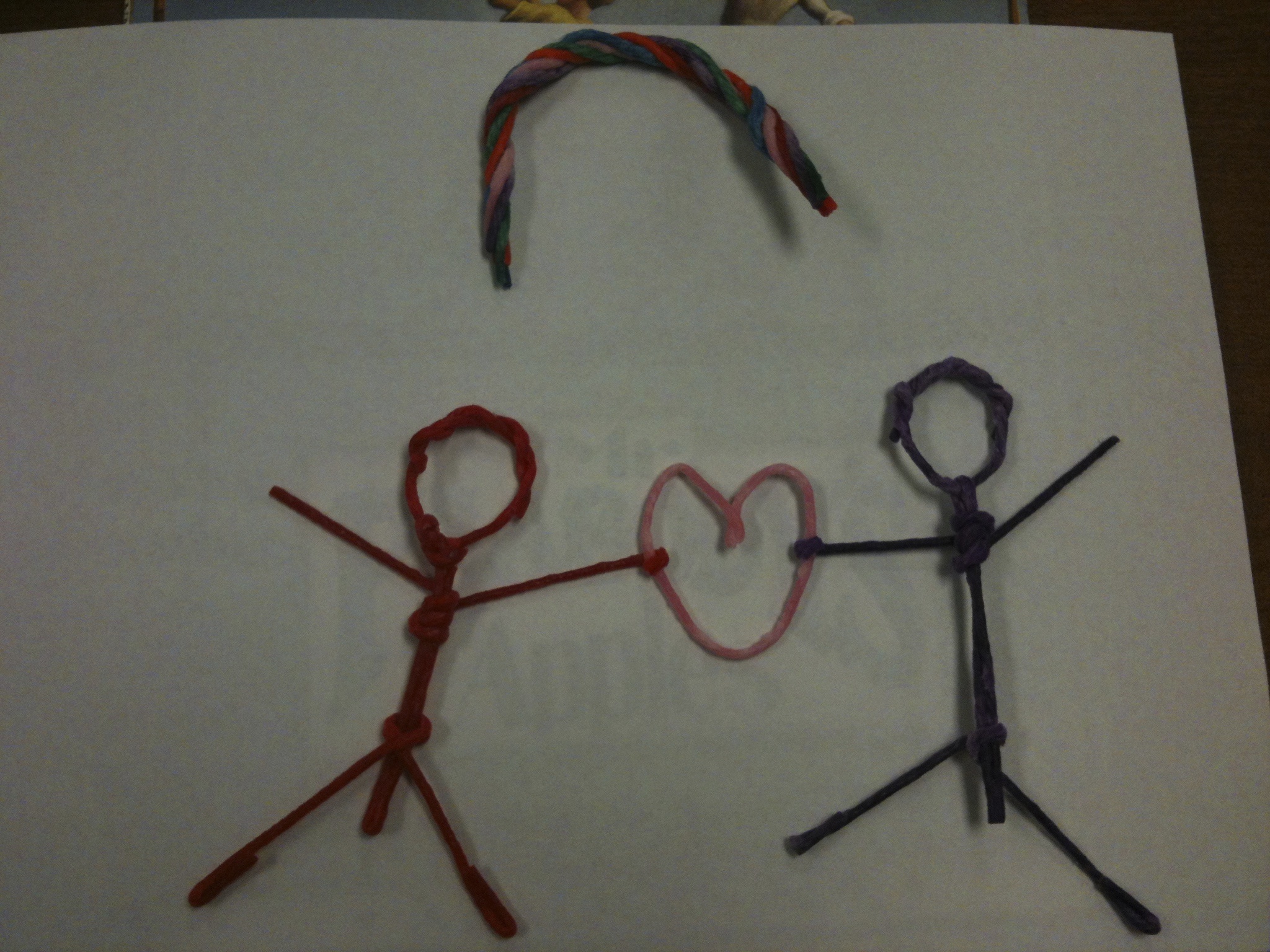
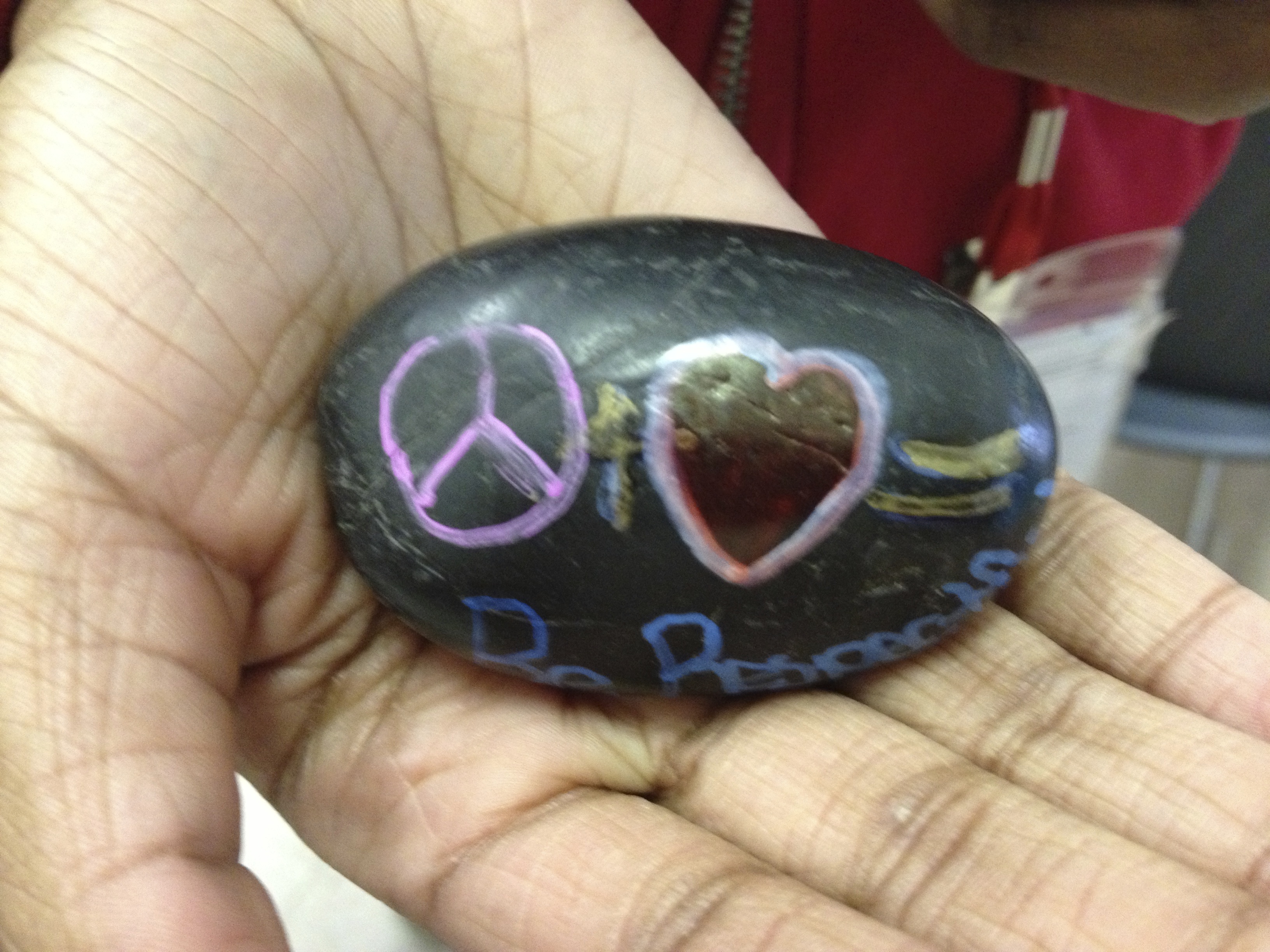
When I talk with children about developing health friendships, one activity I enjoy sharing with them is to ask them to create a symbol or word that shows what friendship means to them. This is one example a child in the Respect Program created:
Don’t forget to be creative today!
I Dream a World
I dream a world where man
No other man will scorn,
Where love will bless the earth
And peace its paths adorn
I dream a world where all
Will know sweet freedom’s way,
Where greed no longer saps the soul
Nor avarice blights our day.
A world I dream where black or white,
Whatever race you be,
Will share the bounties of the earth
And every man is free,
Where wretchedness will hang its head
And joy, like a pearl,
Attends the needs of all mankind-
Of such I dream, my world!
By:Langton Hughes
This poem was taken from the opera Troubled Island which Langston Hughes wrote with the composer William Grant Still. I love this poem’s vision of how the world should be: filled with kindness, celebrated diversity, and peace. When I talk with children about this poem I ask them who else had a famous dream? They all say quickly, “Martin Luther King, Jr” with great enthusiasm! This then sparks conversation about the I Have a Dream speech as well. Both Hughes and King spoke of how the world should be. The good news is we call can help create that better world, one kind act at a time.
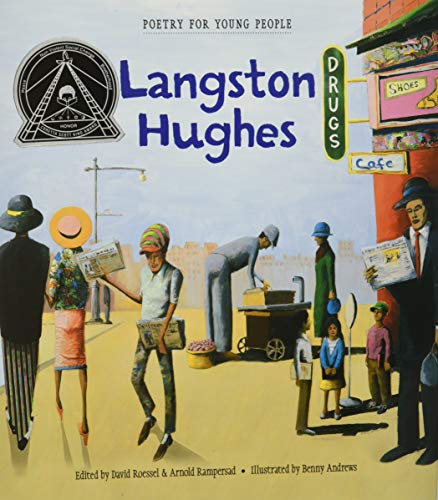
I love how the Introduction begins in the book Poetry for Young People – Langston Hughes. It starts, “From the 1920s until his death in 1967, Langston Hughes was probably the foremost poet among African Americans. His importance for later African-American literature has been immense, for he sought to not only ‘sing’ of Black America in his poems, but also to do so in its every day language.” I am grateful to have heard his experience and voice which brings to life the problems he faced and yet also great joy and hope for the future. The poems in this collection are accessible for children as young as nine. Also, the illustrations by Benny Andrews are spectacular.
From Langston Hughes I have learned to believe in the beauty and importance of having dreams for oneself and for the world. I have also learned more from him about the fight for equality, which he eloquently reveals through his verses. He is a joy to teach to children and his poems provide a great way to start a conversation about what we can do to make the world better.
Activities for Parents and Teachers:
Read the poem with children in your life and ask them what they think about his dream? What dream to they have for the future?
Provide a copy of Langston Hughes poem and the I Have a Dream speech to read to children. I recommend the I Have a Dream children’s book with the speech and beautiful illustrations by Kadir Nelson. Ask the children, “What similarities there are between the two and where are they different?”
Learn about the Harlem Renaissance and share some of the history with children in your life. New York City in the 1920s was home to incredible African -American writers and artists and there needs to be a lot more awareness in the United States of the great books, art, and plays they created.
Questions for the Day for Discussion or Journaling:
What is your dream for the world?
What can you do today to help that dream along?
 The Respect Program Blog